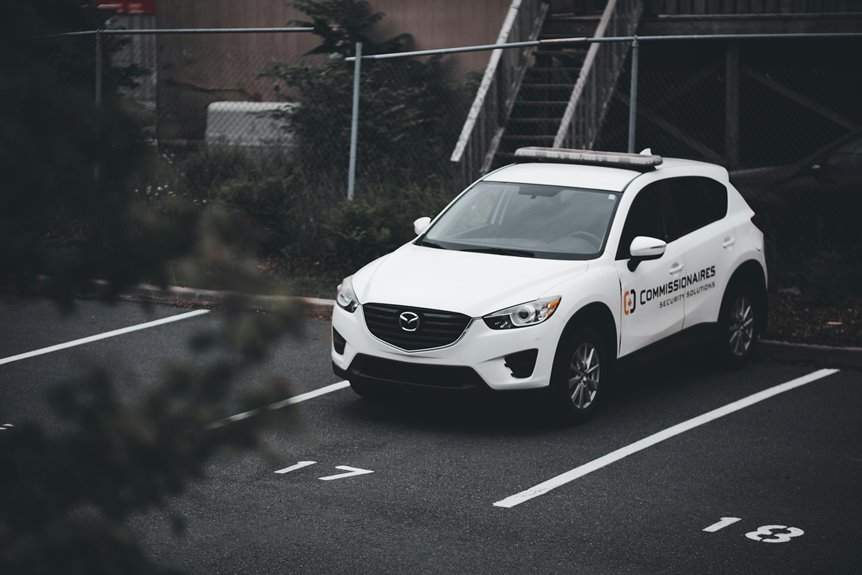

A car alarm is a watchful guard, a loud warning, and a quiet shield all at once, but do you know which parts actually protect your vehicle? You’ll see how sensors spot trouble, why sirens and lights chase thieves away, how immobilizers block a quick start, and what remote alerts, backup power, two-way response, and GPS can add whenever seconds matter. Then you can choose the right system with more confidence and fewer surprises.
What Does a Car Alarm System Do?
At its core, a car alarm system watches over your vehicle and reacts whenever something seems wrong. You get more than noise; you get theft prevention and real vehicle protection that helps you feel safer when you park and walk away.
While the system senses trouble, it alerts you fast, so you can act before a small risk turns into a bigger problem. That matters in busy lots, apartment streets, and any place where strangers pass close by.
You also gain peace of mind, because your car feels watched even though you’re busy enjoying your day. In this way, the alarm acts like a quiet teammate, backing you up and helping protect what you rely on every day.
How Do Car Alarm Sensors Detect Trouble?
Car alarm sensors detect trouble through watching for changes that don’t match normal use, so they can tell the difference between a harmless tap and a real threat.
You get a smarter shield whenever the system listens for vibration, tilt, and door movement.
With impact threshold tuning, you can set how hard a hit must be before the alarm reacts.
That helps you avoid noisy surprises in a busy lot.
Then false alarm filtering checks for small shakes from wind, trucks, or your own key turn.
Some sensors also look for repeated bumps, because real theft often feels different from a simple nudge.
Whenever the sensor spots a pattern that fits trouble, it alerts your system fast, so you feel protected and less alone.
Why Do Sirens and Flashing Lights Deter Thieves?
Whenever a siren blasts, it grabs attention fast, and that sudden noise can make a thief panic and back off.
Flashing lights add another warning sign, so you’re not just hiding a problem, you’re advertising risk.
Together, they tell a thief that time, noise, and exposure are all working against them.
Noise Triggers Attention
Sirens and flashing lights work because they shout for help in the one way thieves hate most, via drawing attention fast. You don’t need a crowd to make a thief sweat; you just need an urban noise response that pulls eyes, ears, and phones toward your car.
- Passersby attention makes quick escape feel risky.
- The sudden sound breaks a thief’s focus.
- Nearby people can call for help sooner.
When your alarm cries out, you’re not alone in the lot anymore. You join a wider circle of neighbors, workers, and drivers who notice something’s wrong. That shared awareness can be enough to push trouble away before damage starts.
It’s simple: thieves prefer quiet, privacy, and time, while you want your car to be seen, heard, and protected.
Flashing Lights Signal Risk
Bright flashes do more than look dramatic, because they signal real risk in a way thieves can’t ignore.
Whenever you see sirens and strobing lamps, you know someone has noticed trouble, and that fear changes choices fast. A thief wants quiet, privacy, and time. Flashing lights take all three away. They also draw neighbors, security staff, and cameras to the scene, which makes escape feel shaky.
Even your dashboard indicator adds pressure, because it tells you the system has locked in and is watching. That visible warning says, “This car isn’t easy.” So the alarm does more than startle. It makes the whole area feel alert, connected, and ready to respond, and that shared awareness often sends thieves looking for an easier target instead.
How Do Immobilizers Stop Engine Starts?
An immobilizer stops engine starts via cutting off the signal that lets the engine run, so even whether a thief gets inside, the car still won’t fire up. You get a simple guard that feels like part of your crew. When the alarm arms, it opens the ignition circuit, and the starter relay can’t send power to the engine. That means the key may turn, but the car stays quiet.
- No crank, no drive off
- Hidden control helps stop quick theft
- Works fast, so you feel safer
If someone tries to hotwire your ride, the system blocks the start path before trouble grows. You keep your car where it belongs, and that brings real peace of mind for you and your people.
What Do Remote Alerts Add to Security?
Remote alerts make your car alarm feel a lot smarter because they tell you about trouble right away, even while you’re nowhere near the vehicle. That gives you instant notification benefits, so you can act fast instead of guessing later. You also get remote status updates, which help you check whether the system is armed, a door is open, or something unusual just happened.
Whenever you stay informed, you feel more connected to your car and less alone in a stressful moment. Should the alert reach your phone or key fob, you can decide quickly whether to call for help, check on your ride, or head back. That quick link adds real peace of mind, and it can stop a small worry from turning into a bigger one.
How Do Glass Break and Shock Sensors Work?
As soon as a window gets hit or a car gets jarred, shock and glass break sensors jump into action fast. You stay safer because they watch for sharp vibrations and the unique snap of glass resonance. The shock sensor measures force, then uses impact calibration to tell a light tap from a real smash.
- A bump in a tight lot can stay silent.
- A hard strike can trigger the alarm right away.
- A broken window can raise a louder response.
Together, these sensors help you feel like your car’s got your back. They read trouble in an initial stage, so you and your ride can belong to a more secure circle.
That way, a thief gets less time to act, and you get more peace as you park.
Why Do Backup Batteries Matter in Car Alarms?
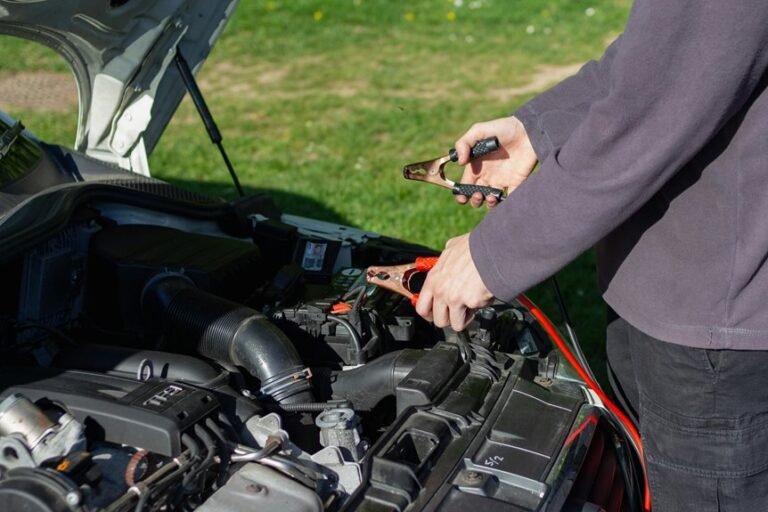
Even the best car alarm can go quiet when a thief cuts the car’s main power, and that’s exactly why backup batteries matter. You stay protected because the alarm keeps working when wires fail or someone pulls the fuse.
That gives you real power outage protection during a break-in, jump start, or dead main battery. Strong battery reliability also helps your system keep sending the loud siren and keep basic sensors active long enough to scare off trouble.
In your own car, that extra reserve can make the difference between a silent loss and a noisy warning. So whenever you pick an alarm, check the battery backup size, the charge life, and how fast it recovers after use. Your crew deserves that peace of mind.
How Do Two-Way Car Alarms Improve Response?
Two-way car alarms improve response because they don’t just make noise, they talk back to you right away. You get real time notifications on your remote or phone, so you know the moment something’s wrong. That quick ping helps you react before worry turns into a bigger problem, and it keeps you connected to your car even such that you’re far away.
- Your remote can buzz or vibrate fast.
- You see remote status updates at a glance.
- You can tell whether a door opened or whether the alarm fired.
That instant feedback makes you feel less alone when your car’s out of sight. Instead of guessing, you get clear alerts that help you decide your next step with confidence and calm.
Which Car Alarm Features Add the Most Protection?
The features that add the most protection are the ones that stop theft, warn you fast, and help you recover your car after a break-in. For urban parking theft, choose a starter kill, shock sensor, tilt sensor, GPS tracking, and two-way paging. These work together like a tight crew watching your ride.
| Feature | Protection |
|---|---|
| Starter kill | Blocks engine start |
| Shock sensor | Catches hits and glass breakage |
| Tilt sensor | Stops towing prevention tricks |
| Two-way pager | Sends instant alerts |
| GPS tracking | Helps find your car |
When someone bumps your car or tries to tow it, you’ll know quickly. That fast alert gives you time to act, call for help, and protect what’s yours with confidence.
How Do You Choose the Right Car Alarm System?
Now that you know which features protect your car best, the next step is picking a system that fits your vehicle, your parking habits, and your budget. You want a setup that feels like it was made for your car, not forced into it.
- Check compatibility and warranties before you buy.
- Match the alarm to where you park most.
- Compare budget and installation costs, not just the sticker price.
If you live in a crowded lot, shock or tilt sensors may help you feel safer. If you want quick updates, choose two-way remotes or smartphone alerts.
When you shop, ask questions and trust clear answers. A good installer should explain every step and make you feel welcome. That way, you’ll join the group of drivers who don’t just hope for safety, they build it.
Frequently Asked Questions
How Accurate Are Shock Sensors at Preventing False Alarms?
Shock sensors can be highly reliable when sensor calibration and impact sensitivity are set correctly. They can ignore minor bumps while still detecting genuine impacts, reducing false alarms and making the system more dependable.
Can GPS Tracking Help Recover a Stolen Car Faster?
Yes, GPS tracking can speed up stolen car recovery by showing the vehicle’s location in real time. You can give police exact coordinates, which can make recovery quicker and more accurate.
What Range Do Two-Way Paging Remotes Typically Have?
Two way paging remotes commonly reach about 3 miles, but the actual signal distance changes with buildings, interference, and terrain. Test your remote in the conditions where you plan to use it.
How Do Tilt Sensors Protect Against Towing and Wheel Theft?
Tilt detection watches for your vehicle being raised, tilted, or hooked for towing and triggers an alert right away. This helps protect your wheels, rims, and catalytic converter from theft or removal.
Can Smartphone Integration Control My Alarm From Anywhere?
Yes, you can manage it from almost anywhere, not just from the end of your driveway. Your phone lets you arm or disarm the system remotely and receive instant alerts, so you can keep tabs on your home wherever you are.