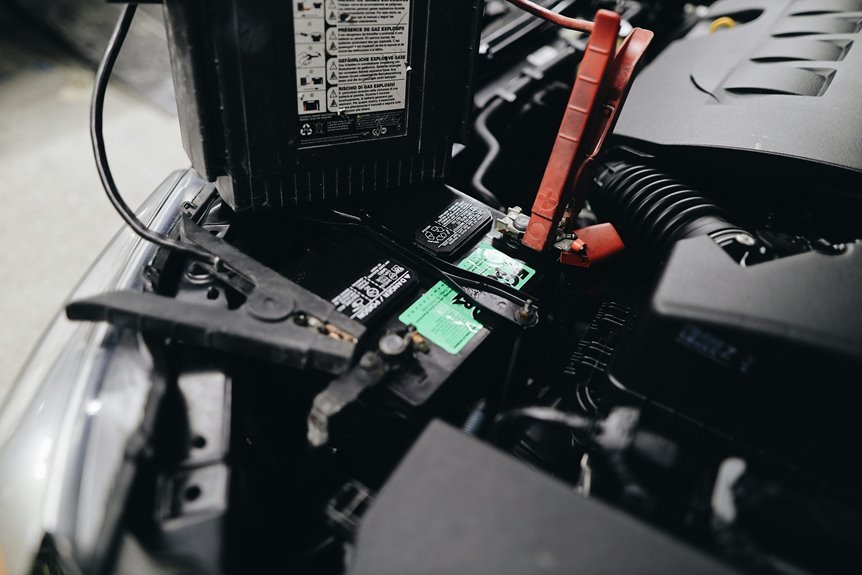

A car jump starter gives you a fast way out whenever your battery quits at the worst time, and you don’t need a second car to save the day. It stores a strong burst of power, sends it safely through the clamps, and gets your engine turning again. You’ll also want to know what it can power, how to use it without mistakes, and how to keep it ready, because the small details can make all the difference.
What Is a Car Jump Starter?
It works with cars, trucks, motorcycles, boats, and even some tools or small engines. So you don’t need a second vehicle to get moving. That simple setup can ease stress fast, especially on a busy day. It’s not a full battery replacement, but it does help you get back on the road with less hassle and more confidence.
How a Jump Starter’s Emergency Power Works
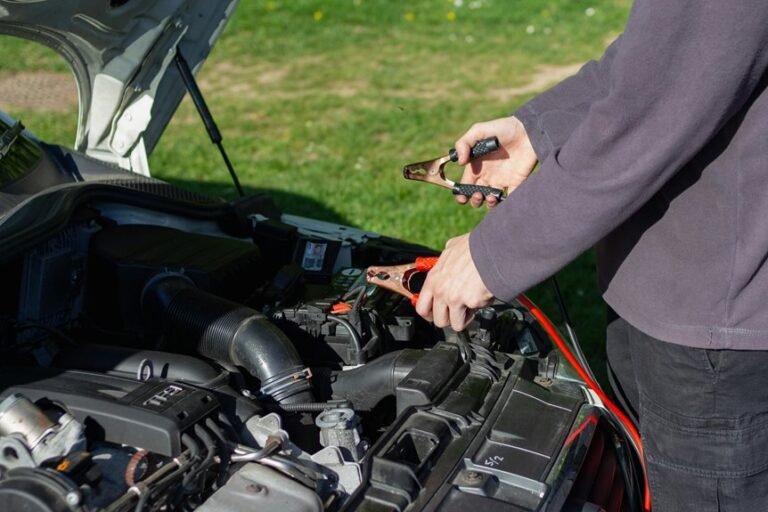
Whenever your car battery is too weak to turn the engine, the jump starter steps in with stored electrical energy and sends it straight to the starter system. You plug the clamps onto the battery posts, and the unit shares its emergency power reserve with your vehicle for a short burst.
That burst creates a strong temporary starting current, enough to spin the starter motor and wake the engine. Because the power comes from the jump starter’s own battery, you’re not asking your dead battery to do the heavy work. Instead, you’re giving your ride a quick lift so it can catch and run on its own. This simple handoff helps you feel less stranded and more in control, even on a rough day.
Why Jump Starters Beat Jumper Cables
You get a built-in power reserve with a jump starter, so you’re not stuck waiting on another vehicle. It also lets you start your car solo, which feels safer and a lot less stressful on a dark roadside.
Best of all, it can get you moving faster as time and confidence are both running low.
Built-In Power Reserve
One built-in power reserve is what gives a jump starter its real edge over jumper cables. You carry your own battery reserve, so you’re not stuck hoping another driver shows up. That portable backup feels like having your crew in your trunk, ready as soon as your car won’t wake up.
- You feel calm because power is already with you.
- You save time once the road gets lonely.
- You keep moving without asking for help.
- You stay connected to your routine and your people.
This stored energy gives you a quick lift for weak 12-volt batteries, so you can start the engine and get back to life.
It’s a small pack, but it can make a hard moment feel handled.
Safer Solo Starts
A jump starter gives you battery independence, so you can handle roadside self rescue with calm confidence. You just connect the clamps, press the power button, and start the engine without standing near another running vehicle. That means fewer sparks, less guesswork, and no awkward help from someone who could be rushing. It also feels good to keep control while plans go sideways. With one compact pack in your trunk, you stay ready, capable, and part of the group that handles setbacks on its own terms.
Faster Emergency Response
As a battery dies in the middle of a busy day, speed matters almost as much as the fix itself. With a jump starter, you get rapid roadside help without waiting for another driver to pull in. That means you stay calm, and your day doesn’t stall. You clip the leads, press the power button, and go.
- You save minutes as stress is rising.
- You keep your plans moving with instant roadside readiness.
- You avoid awkward delays while strangers search for cables.
- You feel like you’re part of a prepared crew.
Unlike jumper cables, you don’t need a second vehicle or a long setup. So as trouble hits, you can handle it fast, feel supported, and get back on the road with less worry and more confidence.
What a Jump Starter Can Power in an Emergency
When your car battery dies at the worst possible moment, a jump starter can do more than just rescue the engine. This portable device gives you backup energy for other small needs, too. In a pinch, you can charge a phone, light a dark lot, or power a GPS while you wait with your crew. Some models even handle tools or a tire inflator for short bursts.
| Device | Typical Use | Benefit |
|---|---|---|
| Phone | USB charging | Stay connected |
| GPS | Low power | Find help |
| Flashlight | Built in | See clearly |
| Inflator | Short run | Add air |
| Tool | Small load | Finish a task |
How to Use a Jump Starter Safely
Before you hook up a jump starter, check the battery and cables for cracks, leaks, or corrosion so you know everything is safe to touch.
Then connect the red clamp to the positive post and the black clamp to the negative post, keeping the clamps from touching each other.
As soon as the jump starter is ready, start the engine promptly and follow the device’s instructions right away.
Check Battery Safety
Is your battery safe to jump? Before you start, check battery health so you don’t turn a small problem into a bigger one. Look for cracks, leaks, or a swollen case, and clean off terminal corrosion so the clamps can work well. When you spot damaged cables, strange heat, or a rotten egg smell, stop and get help from a pro. You’re not alone here; smart drivers do this check first.
- Trust your eyes and nose.
- Keep your hands dry and calm.
- Make sure the battery sits firmly.
- When it feels wrong, skip the jump.
When everything looks steady, you can move ahead with more confidence. That simple pause protects you, your ride, and the folks who count on you.
Connect Cables Correctly
A steady battery check sets you up for the next step, and that next step is all about getting the clamps on the right way.
You can feel more confident once you match clamp placement to terminal polarity: red goes to positive, black goes to negative. Initially, open each clamp fully and seat it on clean metal, not on grime or loose paint. Then, make sure the jaws bite firmly so the connection stays steady. If the clamps touch each other, separate them right away. After that, check the cable path so it stays clear of belts, fans, and hot parts.
Small, careful moves like these help you fit in with safe drivers who trust their gear and respect their ride.
Start Engine Promptly
Once the clamps are secure, you can start the engine promptly by turning the jump starter on, provided your model has a power switch, and then cranking the ignition right away. That fast move matters because rapid ignition timing helps the surge reach the starter before the weak battery fades again. You’re not alone here, and quick start benefits make the whole moment feel easier.
- You feel relief provided the engine catches.
- Your hands stay steady, and fear drops.
- You save time and avoid extra stress.
- Your ride comes back to life fast.
Keep your focus on the dash, listen for the engine to fire, and let the starter do its job. provided it doesn’t start at once, pause, check the clamps, and try again with calm confidence.
How Battery Capacity Affects Jump Starts
While you choose a jump starter, battery capacity plays a huge role in how well it can wake up a dead engine. You want enough stored power to match your vehicle’s needs, so the pack doesn’t fade halfway through the crank. A higher amp rating gives you stronger bursts for big engines, while battery chemistry affects how long that energy stays ready and how many starts you can count on.
If you drive a car, truck, or boat, that extra reserve helps you feel prepared instead of stranded. Smaller packs can still work for compact engines, but larger batteries give you more confidence in cold weather and on older batteries. That way, you’re not guessing at the worst moment; you’re picking support your crew can trust.
How to Charge and Store Your Jump Starter
You should charge your jump starter with the charger that came with it, and you’ll want to plug it in before the battery gets too low.
Keep it topped off after each use, because a ready pack is far more comforting than a dead one in your trunk.
For storage, keep it indoors in a cool, dry spot away from heat, cold, and damp air so it stays reliable whenever you need it most.
Charging Best Practices
To keep your jump starter ready for the moment your car decides to act stubborn, charge it fully after every use and top it off again every few months even though it sits unused. You’ll protect the battery recharge cycles and keep your ideal charging routine simple. Whenever you plug it in, let the unit reach full power before you trust it again. Should you skip this, you could meet a dead pack at the worst time.
- Charge right after a jump so you stay prepared.
- Check the indicator light before each trip and feel calm.
- Use the charger that came with it, so your crew counts on you.
- Give it a fresh top-off on a regular schedule, and keep that backup ready.
Safe Storage Tips
A jump starter works best whenever it stays charged and stored the right way, because a weak pack can leave you stuck right at the moment you need a fast fix. Keep yours in cool, dry storage, like a garage shelf away from sun, damp floors, and hot trunks. After charging, unplug it once the indicator shows full, then check it every month so it stays ready.
| Storage spot | Risk | Best move |
|---|---|---|
| Glove box | Heat | Move it out |
| Trunk | Cold swings | Bring it indoors |
| Shelf | Dust | Use a case |
You’ll feel better aware your gear belongs in your kit, not in a risky corner. Also, do periodic battery checks after long trips or storms, and recharge before it drops low.
Common Mistakes That Drain Performance
Although car jump starters are built to deliver fast help, a few common mistakes can quietly drain their performance and leave you stuck at the worst moment. Whenever you use yours like a sidekick, not a crutch, it lasts longer and feels ready with the rest of your crew.
- Overusing power-assist mode heats the unit and can wear down the cells fast.
- Neglecting recharge cycles leaves you with less power whenever your battery goes flat.
- Leaving it in extreme heat or cold can sap capacity and stress the pack.
- Store it with the clamps loose and clean, so you avoid tiny losses that add up.
Treat your jump starter like part of your road family, and it’ll stay dependable whenever you need that calm, confident start.
How to Troubleshoot a Failed Jump Start
Whenever your jump start fails, take a breath and check the basics initially, because the problem is often simpler than it feels. You’re not stuck alone here.
Start with the clamp placement and make sure red is on positive and black is on negative. Then inspect both clamps for grime, looseness, or paint blocking contact. If the pack has a switch, turn it on and try again.
In jump start troubleshooting, listen for clicks, dim lights, or no response, since each clue helps your failed start diagnosis. Next, wait a minute with the clamps connected so the battery can gain a little charge.
If the engine still won’t turn, your battery might be too weak, or the issue might sit elsewhere in the starting system.
How to Choose the Right Car Jump Starter
If your jump start failed, the next step is to pick a jump starter that fits your vehicle and your real-world needs, so you’re not left guessing on a cold morning with a dead battery. Check engine compatibility first, because gas and diesel engines need different peak amps. Then compare portability so you can lift it fast and store it with confidence.
- Match amps to your engine size.
- Choose lithium-ion for light carry and quick charging.
- Look for clamps, boost mode, and safety alerts.
- Pick extras like a flashlight or USB port if they help your routine.
You want gear that feels like it belongs in your trunk and in your life. When your pack fits your ride, you’ll feel ready, calm, and a little proud too.
Frequently Asked Questions
Can a Jump Starter Recharge My Dead Car Battery Fully?
No, a jump starter cannot fully recharge a dead car battery. It provides enough power to start the engine, but it does not restore the battery. After the engine is running, the alternator begins recharging the battery, though a severely drained battery may still need to be replaced.
How Many Jumps Can One Charge Provide in Cold Weather?
In cold weather, a jump starter often delivers fewer starts per charge because low temperatures reduce battery output. Depending on engine size and the starter’s battery chemistry, capacity can fall from many starts to only a few.
Will a Jump Starter Damage My Car’s Onboard Computer?
Usually, you will not damage your car’s onboard computer if you use a reliable jump starter with built in voltage protection and follow the proper connection steps. Clamp the cables in the correct order, keep sparks away, and follow the device instructions carefully.
Can I Use It on Motorcycles and Boats Too?
Yes, you can. A jump starter can work for motorcycles and boats if the voltage, clamps, and instructions match exactly.
What Accessories Usually Come With a Jump Starter Kit?
Most jump starter kits include heavy duty clamps, a charging cable, USB adapters, a wall charger, and a built in flashlight. Many also come with a carrying case to keep the parts together and easy to store.