
Most people don’t realize that a seat cover can change how your car feels in both summer heat and winter cold. The material you choose can make a long drive feel easy or turn every trip into a small annoyance. Soft fabrics like sheepskin and polyester blends help you stay relaxed, while neoprene and rugged canvas protect against spills, claws, and daily wear. Leather and leatherette look sharp and clean up fast, but they ask for different care. The trick is finding the one that fits your climate, habits, and budget.
What Makes Car Seat Cover Materials Comfortable?
Whenever you spend hours in your car, comfort starts with how the cover feels against your body, how it handles heat and cold, and how well it supports you during each drive.
You want seat cushioning that eases pressure on your hips and lower back, so every mile feels less like a chore and more like your space. Tactile softness also matters because your skin notices rough spots fast, especially on long commutes.
A good cover should feel inviting, breathe a little, and keep its shape whenever you slide in and out. Should you share rides, that cozy feel helps everyone settle in quicker.
Whenever the surface stays gentle and stable, you drive with less tension and more ease, like the seat understands you.
Compare Car Seat Cover Materials
Now that comfort is on your mind, the next step is figuring out which material gives you the best mix of softness, strength, and daily ease.
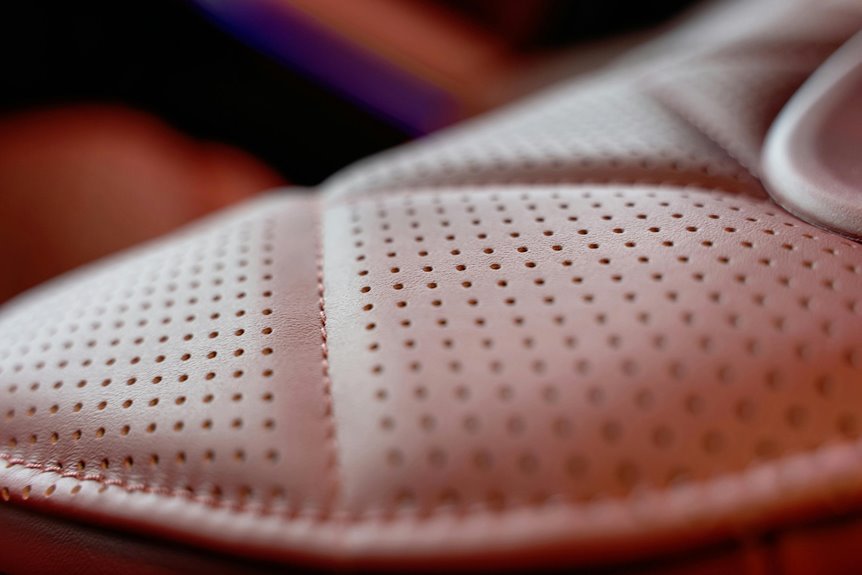
When you want a rugged feel, ballistic nylon and heavy-duty canvas lead with tight weaves that shrug off scuffs and seat-edge wear. For easy cleaning, polyester blends and leatherette give you simple care and a tidy look. Whenever you crave plush comfort, sheepskin feels welcoming, while neoprene adds cushion plus wipe-clean protection. Leather brings a polished finish and strong long-term value, but it needs more care.
During a material weave comparison, check how each cover flexes, resists pulls, and matches your routine. Also, installation fit considerations matter, because a snug cover stays put and feels like part of your car.
Which Materials Work Best in Hot or Cold Weather?
Hot and cold weather can make a seat cover feel great one day and annoying the next, so you’ll want a material that matches your climate and your comfort. In hot weather, you could like sheepskin because it supports temperature regulation and helps you avoid that sweaty, stuck-on-seat feeling.
If you live where summer feels unyielding, neoprene can work, but it could hold warmth. For cold mornings, sheepskin keeps you cozy fast, so your drive feels less harsh. Leather and faux leather can also suit cool weather, yet they often feel chilly initially. Heavy-duty canvas and polyester blends give steady seasonal comfort whenever you need a balanced, no-fuss option. Choose what helps you feel at home in your car.
Which Car Seat Cover Materials Last Longest?
If comfort and weather have been on your mind, durability is the next smart thing to check, because a seat cover should do more than feel good for a short ride.
Whenever you want the longest material lifespan, ballistic nylon and heavy-duty canvas usually lead the pack. Their tight weaves fight wear and tear, so they keep holding shape in busy seats.
Leather can last even longer if you care for it, and it brings a premium feel that many drivers love. Neoprene and polyester blends also stay strong for everyday use, especially whenever life gets messy.
- Ballistic nylon handles constant sliding.
- Canvas stands up to rough gear.
- Leather rewards steady upkeep.
- Blends balance strength and comfort.
How Easy Are Car Seat Cover Materials to Clean?
Whenever you pick a car seat cover, cleaning ease often starts with stain resistance, since some materials shrug off spills while others hold onto them.
You’ll also want to consider the cleaning method, because a quick wipe, hose-down, or gentle wash can save you a lot of time.
And should you want less work overall, choose a cover that matches how often you’ll need to clean it and how much mess your car really faces.
Stain Resistance
Stain resistance matters a lot whenever you want car seat covers that stay looking clean without turning every spill into a mini crisis. You want fabric that shrugs off coffee, crumbs, and kid chaos, so you feel proud every time you open the door.
- Leather and faux leather often resist stains well and keep a polished look.
- Polyester blends with stain blocking coatings help liquids bead up fast.
- Ballistic nylon and heavy-duty canvas handle grime without looking worn out.
- Neoprene adds water defense, plus odor resistance for a fresher cabin.
Whenever you pick the right material, you protect your ride and keep your space feeling like it still belongs to you.
That matters on busy days, because comfort and confidence ride together.
Cleaning Methods
Keeping car seat covers clean should feel manageable, not like a weekend punishment, and the right material can make a big difference. You can usually handle spills fast with spot cleaning techniques, using a soft cloth and mild soap before stains settle in.
If you choose ballistic nylon, polyester blends, or leatherette, you’ll find dirt lifts quickly and wipes away without much fuss. Vacuuming seat covers also helps, since it pulls out crumbs, pet hair, and grit before they grind into the fabric.
Heavy-duty canvas and neoprene need only a simple rinse or wipe, while sheepskin asks for gentler care so you don’t flatten its plush feel. When your covers clean up easily, you stay more relaxed, and your ride feels like it belongs to you.
Maintenance Frequency
Now that your covers can stay tidy with simple cleaning, the next question is how often each material needs that care in real life. You usually wipe polyester and leatherette weekly, since spills and dust build up fast. Ballistic nylon and heavy-duty canvas often need a deeper wash monthly, especially if you haul pets or gear. Neoprene likes quick rinses after messy trips, while sheepskin asks for gentler, less frequent care.
- Clean more often whenever you eat, drive kids, or work outdoors.
- Check seams and edges during each wash for initial wear.
- Keep odor control in mind, because trapped moisture can shorten freshness.
- Match your replacement schedule to fabric fatigue, not just stains.
Whenever you fit care to use, you stay comfortable, and your cabin feels like it still belongs to you.
Best Materials for Pets and Kids
Whenever your car carries pets or kids, you need a cover that can handle messes, rough movement, and constant wipe-downs without falling apart.
For pet hair control, choose ballistic nylon or heavy-duty canvas, because their tight weaves keep fur from clinging and stand up to claws. For kid spill protection, neoprene works well since it blocks drinks, snacks, and sudden leaks while staying easy to wipe clean. Polyester blends also help you when you want everyday durability without much fuss.
Should you need a softer feel, sheepskin adds comfort, but it asks for more care. Pick the material that fits your crew, and you’ll feel ready for carpool chaos, muddy paws, and juice-box drama without losing your cool.
Leather vs. Fabric Seat Covers
Leather gives you a sleek look and strong long-term durability, especially provided you keep up with regular care.
Fabric, on the other hand, often feels cooler and breathes better, which can make daily drives more comfortable.
Provided you’re choosing between them, you’ll want to weigh how much cleaning time you’re willing to spend and how you use your car.
Leather Durability
If you compare leather to fabric seat covers, durability is often where leather earns its reputation. You’ll notice that good leather handles daily use with calm strength, especially in spots where you slide in and out.
It also develops luxury leather aging, which can make your cabin feel more personal over time. With regular care, leather conditioning benefits help keep the surface supple and reduce cracking, so you’re not fighting wear alone.
- You get a strong surface that resists scuffs.
- You keep a cleaner look with simple wipe-downs.
- You support long-term value with steady care.
- You join many drivers who like that lived-in, polished feel.
If you want seats that age with character, leather can feel like your crew’s best seatmate.
Fabric Breathability
So, which seat feels kinder on a hot day or during a long drive?
You’ll usually notice fabric initially. Its breathable weave lets air move around your back and legs, so you get better airflow comfort and less sticky pressure. That matters whenever you’re stuck in traffic or wearing work clothes after a long day.
Leather can look sleek, but it often traps heat and holds it close, which can make you shift around more. Fabric gives you a softer, more relaxed feel, and that helps you settle in faster.
Should you want a cabin that feels welcoming instead of stuffy, fabric usually wins on comfort. It won’t feel fancy in the same way, yet it can make every trip feel more like your own space.
Cleaning And Care
Comfort matters, but once spills, dust, and daily wear enter the scene, care starts to matter just as much.
When you use leather, wipe it often and condition it so it stays soft and doesn’t crack. When you choose fabric, vacuum crumbs initially, then use spot cleaning basics with a mild cleaner and a gentle cloth. Your care product selection should match the material, because harsh sprays can hurt leather and soak too deep into fabric.
- Leather needs light, steady care to keep its finish.
- Fabric hides dirt less, so quick attention helps.
- Blot spills fast, don’t scrub hard.
- Let covers dry fully before you drive again.
Choose the Right Material for Your Driving Style
Your driving style should guide your choice, because the right seat cover material can make every trip feel easier and last much longer.
If you want daily commute comfort, choose something soft and breathable, like sheepskin or a cushioned blend, so your back stays calm in traffic.
If you spend weekends chasing trails, kids, or gear, you need weekend adventure protection from canvas, ballistic nylon, or neoprene, since they handle scuffs, spills, and rough use well.
For a polished feel with strong wear, leather or faux leather can suit you, but it may feel warm on sunny days.
Consider about how you sit, sweat, carry, and clean.
When the material matches your routine, your car feels more like your space.
Best Car Seat Cover Materials for Your Budget
When you shop for seat covers on a budget, the smartest choice is often the one that balances price, toughness, and upkeep instead of chasing the cheapest tag. You want value for money seat cover options that still feel good on every drive. For many drivers, budget friendly material picks like polyester blends and heavy-duty canvas give solid spill protection and daily wear resistance without draining your wallet.
If you need more water defense, neoprene can fit, though it might trap heat. Leatherette brings easy cleaning and a polished look, while ballistic nylon gives extra scuff resistance for busy families.
- Pick canvas if you haul gear often.
- Choose blends for easy care.
- Try neoprene for wet weather.
- Buy leatherette for style on a budget.
Frequently Asked Questions
Which Materials Reduce Road Noise Inside the Cabin?
You’ll reduce road noise most with thick materials such as neoprene, sheepskin, and heavy duty canvas, especially when they include sound dampening fabric and dense foam backing, because they absorb vibration and soften cabin echo.
Do Seat Covers Affect Heated and Ventilated Seats?
Yes, seat covers can change how heated and ventilated seats work. Thick or poorly fitted covers can slow heat transfer and block airflow, so pick thin, breathable covers that fit closely.
Can Seat Covers Interfere With Airbags or Seat Sensors?
Yes, they can. If the cover does not match your vehicle, it may block side airbags or cover seat sensors. Use covers made for your car so safety features keep working properly.
How Do Seat Cover Materials Affect Resale Value?
Protecting the leather and choosing seat covers that resist stains can help preserve resale value. Clean, well maintained seats stand out to buyers, and durable covers can make a car look cared for, which may lead to stronger offers.
Are Custom-Fit Covers More Durable Than Universal Ones?
Yes, custom fit covers usually last longer because they stay snug on the seats and move around less. Universal covers tend to wear out faster from sliding, bunching, and stress at the edges, although the material quality still makes a big difference.