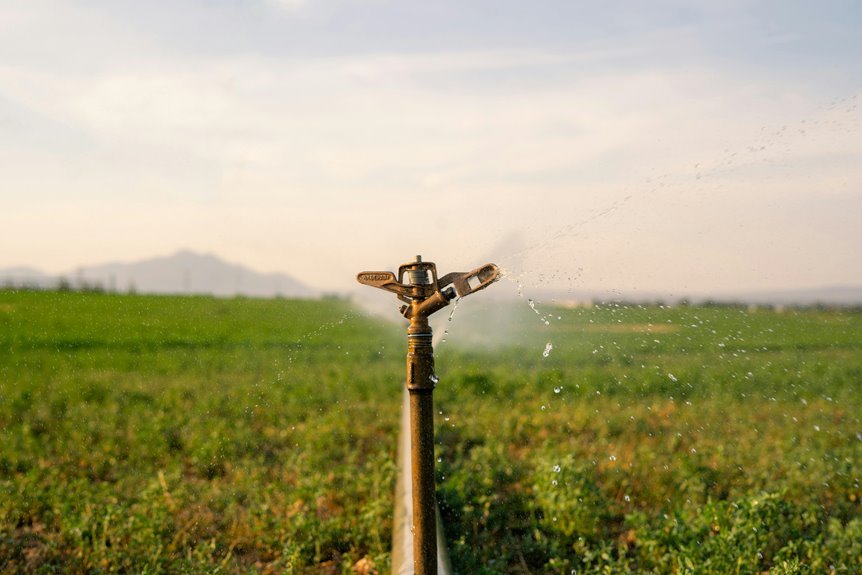

Just as you notice the soil drying fast after a hot day, drip irrigation steps in with a calm, steady fix. You send water straight to the roots through small emitters, so less disappears to runoff or evaporation. With good spacing, pressure control, and a quick check for clogs or leaks, you keep plants evenly moist without waste. Add mulch, and you’ll see how much more each drop can do, especially once one tiny part starts changing the whole system.
What Is Drip Irrigation and Why It Saves Water
So, what exactly makes drip irrigation so different? You get a simple system that follows irrigation basics while supporting water conservation. Instead of spraying everywhere, it sends water where your plants can use it most.
That means less runoff, less evaporation, and less wasted effort for you. If you’ve ever watched thirsty soil miss out while the walkway got soaked, you know the frustration. Drip irrigation helps you feel in control, like you’re caring for your garden with purpose.
It can save a lot of water, often far more than sprinklers, and it works well for beds, rows, and containers. For you, that means healthier plants, lower bills, and a smarter way to grow.
How Drip Irrigation Delivers Water to Roots
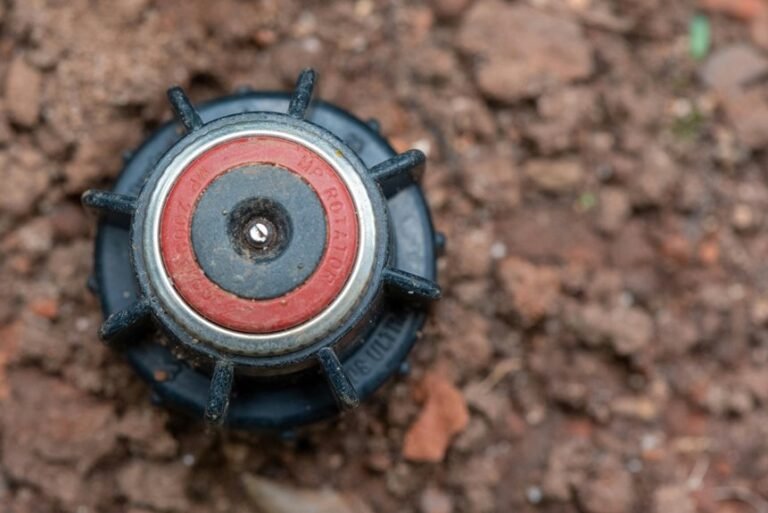
You’ll see that drip irrigation uses small emitters to release water in slow, steady drops right where your plants need it most.
Those drops target the root zone, so the soil can soak up moisture directly instead of losing it to runoff or evaporation.
That means you give your crops a steady drink without soaking the whole garden.
Emitters Release Slow Drips
At the heart of drip irrigation, emitters do one simple but powerful job: they release water in slow, steady drips right where plant roots can reach it. You stay in control because emitter pressure stays low, so each plant gets a calm, even flow instead of a rush. That’s why your bed feels cared for, not flooded.
| Part | What it does | Why it matters |
|---|---|---|
| Emitter | Makes tiny drops | Keeps delivery gentle |
| Pressure | Stays low | Supports steady flow |
| Drip maintenance | Checks for clogs | Helps your system work well |
With simple drip maintenance, you can keep the lines clear and the drips reliable. That steady pace helps you feel confident, and your garden gets the same patient attention every day.
Water Targets Root Zones
Through tiny lines and careful placement, drip irrigation sends water straight into the soil where roots can actually use it. You get a strong root zone focus because each drop lands close to the plant’s base, not far away. That means your crops receive targeted soil hydration right where growth starts.
Instead of soaking the whole bed, the system keeps attention on the active root area, so you waste less water and feel more in control. As the tubing runs beside your plants, it feeds each one steadily and evenly. You can trust this approach to support healthier roots, simpler care, and a steadier garden rhythm. It’s a quiet helper that works hard, so you and your plants can stay on the same team.
Soil Absorbs Moisture Directly
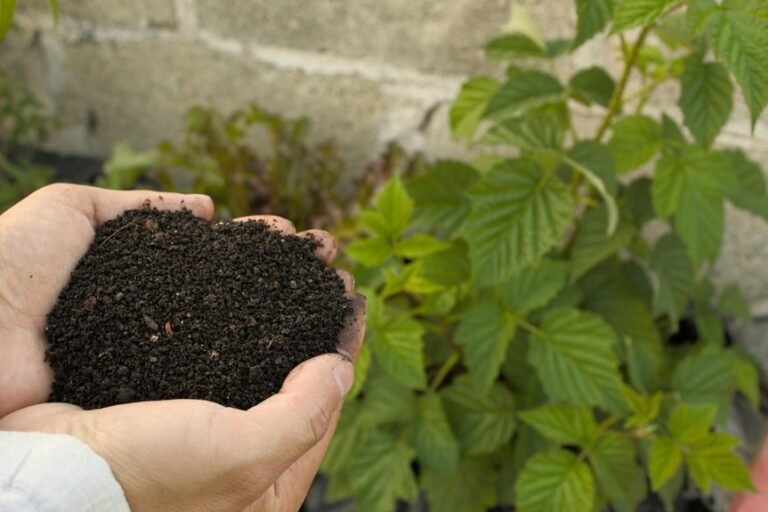
The soil drinks in drip irrigation’s slow, steady moisture almost right away, and that is what makes this system feel so efficient. You can visualize each drop slipping below the surface and heading straight to the roots, where your plants actually need it. Because the water arrives in small amounts, the soil has time to hold it, which supports root zone moisture retention and soil infiltration benefits. That means you waste less water and your beds stay calmer, not soggy or stressed.
| What you notice | How it helps you |
|---|---|
| Damp soil near roots | Plants feel supported |
| Dry leaves above | Fewer disease worries |
| Less runoff | More water stays put |
| Even moisture | Your garden feels settled |
When you water this way, you join a kinder, tighter-knit growing rhythm that your crops can trust.
Main Parts of a Drip System
You’ll see that a drip system starts with a water source setup that controls pressure and keeps water clean before it moves through the rest of the line.
From there, emission and delivery lines carry water right where your plants need it, so each drop works harder and waste stays low.
Once you know these parts, you can spot how the system stays simple, steady, and surprisingly smart.
Water Source Components
A drip system starts with a few key water source parts that work together to move water safely and smoothly to your plants. Your water source components include a faucet, tank, or well connection, plus pressure control and supply filtration systems that protect your setup from grit and clogging. Once you choose clean water and steady pressure, you help your plants feel cared for and your system stay reliable.
- Filtration keeps tiny particles out
- Pressure control helps water flow evenly
- Backflow protection guards your water supply
- Source access makes refills simple
Next, you connect these pieces so your garden gets a calm, steady drink.
That means less waste, less stress, and more shared success for you and your growing space.
Emission And Delivery Lines
Now that your water source is clean and steady, the next part of the system gets that water to the plants with very little waste. Your emission and delivery lines are the quiet helpers that make drip feel personal and precise. They release water slowly at the root zone, so you stay in control and your plants don’t get flooded.
| Part | Job |
|---|---|
| Main line | Moves water from the source |
| Filtered tubing | Carries clean water safely |
| Emitters | Drip water near roots |
| Pressure regulator | Keeps flow steady |
| End caps | Stop leaks and flush lines |
Good line durability matters because sun, soil, and bending can wear tubing down. Strong materials last longer, and pressure regulation keeps every drop moving evenly. That means you join a system built for less waste, less stress, and healthier growth together.
How Emitters Control Flow and Coverage
Because every drop matters, emitters give drip irrigation its real control. You set flow uniformity through choosing the right emitter size, so each plant gets a steady trickle. With proper emitter spacing, you spread moisture where roots can reach it, and you avoid patchy growth.
- You can match water output to thirsty spots.
- You can keep young plants from getting too much.
- You can help mature rows share water fairly.
- You can make every bed feel cared for.
Next, coverage depends on how many emitters you place and how close they sit. Whenever you adjust them well, your garden works like a team, not a crowd. That means less guesswork for you and a calmer routine in the field.
Why Drip Irrigation Reduces Runoff
You send water right where roots can use it, so it doesn’t race across the soil and spill away.
Because drip lines release water slowly, the ground has time to soak it in instead of shedding it as runoff.
That steady delivery also helps you keep the surface calmer and drier, which makes watering feel more controlled and less wasteful.
Precise Root-Zone Delivery
What makes drip irrigation so efficient is its close, careful delivery to the root zone. You get root zone precision, so every drop lands where your plants can use it. That means less wasted water and stronger growth for your garden family. With targeted moisture placement, you keep the surface drier and give roots a steady drink.
- You guide water straight to the base.
- You cut extra wet spots fast.
- You help plants stay focused and healthy.
- You feel good aware your system works with you.
Because the water stays near the roots, you won’t see the same messy spreading that comes with broad watering. Instead, you create a calm, efficient rhythm that fits your space and your crops.
It’s a simple shift, but it makes your whole growing routine feel more connected.
Slower Soil Absorption
As water leaves a drip system in a slow, steady stream, the soil has time to absorb it before it can race away. You help water sink gently into the ground, so soil infiltration stays steady instead of getting overloaded. Because each drop lands right where roots can use it, the surface doesn’t flood, and runoff drops fast.
This calm pace also supports moisture retention, since more water stays in the root zone instead of evaporating or escaping downhill. You get a cleaner, more efficient flow that fits your plants and your space. As a result, your garden feels easier to care for, and you can trust that every drop is doing real work for your crops.
How to Design a Drip Irrigation Layout
A smart drip irrigation layout starts with the shape of your garden, because every bed, row, and plant zone needs its own water path. With careful layout planning, you can match water to each spot without guesswork. Start by drawing zone mapping on paper, then group plants by how much moisture they need. Next, place the main line where it can reach every area with the fewest turns, so your system feels neat and easy to trust.
- Mark sun, shade, and slope first
- Keep plant groups close together
- Leave room for paths and tools
- Check that each zone gets steady coverage
Then walk your garden and compare the sketch to real space. This step helps you catch gaps early and makes the whole setup feel like it belongs.
Choosing Tubing and Emitters
Choosing the right tubing and emitters can feel tricky at the outset, but it gets much easier once you match each part to your plants and water pressure.
You’ll want tubing that fits your bed size and holds up well in your climate. A flexible tube material works best whenever you need bends around corners, while tougher lines suit long runs.
Next, pick emitters that release water slowly and evenly. Emitter spacing should match how close your plants grow, so each root zone gets its share without waste.
Should you’re unsure, start with a simple setup and adjust one section at a time. That way, you stay in control, save water, and build a system that feels like it was made for your garden.
Setting Watering Schedules by Plant Type
Now that you’ve picked the right tubing and emitters, you can set a watering schedule that truly fits each plant’s needs.
- Match thirsty vegetables with shorter, more frequent runs.
- Give shrubs deeper, less frequent soak times.
- Use plant specific schedules for herbs, flowers, and young starts.
- Make seasonal watering adjustments when heat rises or cool weather slows growth.
You’re not guessing here, you’re guiding each root zone with care.
Tomatoes usually want steady moisture, while lavender prefers drier soil and can sulk if you overdo it.
Check your plants often, then shift timing as they grow or the weather changes.
A simple timer helps you stay consistent, and it lets your garden feel like a team that’s working together.
Whenever you listen to each plant, your drip system becomes less of a chore and more of a smart habit.
Using Mulch With Drip Lines
Once you pair mulch with drip lines, you give your garden a smart little shield that helps every drop do more work. You’ll see mulch benefits fast because it holds moisture near the roots and keeps the soil cooler on hot days. That means your drip line can feed plants steadily instead of fighting quick evaporation.
It also supports weed suppression, since fewer weed seeds get the light and space they need to sprout. As you spread mulch, keep it a few inches from stems so your plants can breathe. Then you’ll create a neat, cozy bed that feels cared for, and your garden crew, meaning you and your plants, can enjoy steadier growth with less hassle.
How to Track Water Use and Find Waste
To spot wasted water, you need a simple way to see what your drip system is really doing. You belong in control once you watch water meter monitoring each week, because small changes can mean lost water or happy roots.
Try these leak detection methods:
- Check the meter before and after irrigation.
- Walk the line for soggy spots or dry gaps.
- Compare runtime with plant needs.
- Record pressure drops and odd sounds.
As you track use this way, you can tell whether water is reaching your plants or slipping away. Keep a quick log, and you’ll build a clear image fast. That record helps you notice waste in advance, so your system stays efficient and your garden feels cared for.
Fixing Clogs, Leaks, and Uneven Watering
A drip system can look fine at initial, yet a small clog, a concealed leak, or a patch of uneven flow can still leave your plants thirsty and frustrated. You can fix that with calm system troubleshooting and a few checks. Start by flushing lines, then inspect emitters for grit. Look for damp spots, split tubing, or loose fittings. Next, use this quick guide:
| Problem | Clue | Fix |
|---|---|---|
| Clog | Weak drip | Clean emitter |
| Leak | Wet soil | Tighten joint |
| Uneven flow | Dry patch | Pressure adjustments |
After that, test the line again. Should pressure feel off, tweak pressure adjustments a little at a time. You don’t need perfection, just steady care. With each fix, you protect roots and help your garden feel supported.
Drip Irrigation vs. Sprinklers
Although both systems can water crops, drip irrigation gives you far more control than sprinklers. You send water straight to the roots, so you waste less to wind and evaporation. That helps your crew, your crops, and your budget feel more secure.
- Better sprinkler efficiency comes from less runoff.
- The water pressure comparison favors drip, since it runs at lower pressure.
- You keep leaves drier, which can cut disease worries.
- You also use less energy when pumping water.
Because the flow stays close to the soil, you give each plant steadier care. Sprinklers can cover fast, but they often spread water where you don’t need it. If you want a system that feels precise and dependable, drip usually fits better.
Drip Irrigation for Gardens, Farms, and Landscapes
Whether you care for a backyard garden, a working farm, or a neat garden bed, drip irrigation can make watering feel much easier and less stressful. You send water straight to roots, so your plants get what they need without soggy soil or wasted spray.
In urban gardens and rooftop planters, that steady trickle helps you save time and keep leaves dry. On farms, you can cover long rows with less runoff and less pumping, which feels good whenever every drop matters.
In sceneries, drip lines also help shrubs, flowers, and trees stay healthy during dry spells. Because you control the flow, you join a smarter way to care for green spaces, and that can make your whole growing routine feel calmer.
Frequently Asked Questions
How Much Does a Drip Irrigation System Typically Cost to Install?
You’ll usually pay about $1.50 to $5 per linear foot for installation, with labor and equipment costs varying by project size and layout. Though the upfront cost can feel steep, the water savings often help offset it over time.
Does Drip Irrigation Save Energy Compared With Sprinkler Systems?
Yes, drip irrigation can reduce energy use because it lowers pressure requirements and improves pump efficiency. That means less electricity for pumping and lower operating costs for growers who want efficient watering.
Can Drip Irrigation Reduce Plant Diseases and Pest Problems?
Yes, drip irrigation can help lower plant diseases and pest issues. By watering the soil instead of the leaves, it helps keep foliage dry, reduces conditions that favor disease, and can make plants less inviting to some pests, helping you grow healthier crops.
Is Subsurface Drip Irrigation More Efficient Than Surface Drip Irrigation?
Yes. Subsurface drip irrigation usually delivers higher water use efficiency because it places water directly in the root zone and reduces evaporation from the soil surface. It also limits surface wetting, but emitter clogging can be a greater maintenance concern.
How Long Does It Take to Recover Drip System Installation Costs?
You’ll usually recover drip system costs in about 1 to 5 years, depending on water prices and crop yields. Think of it as a measured investment: the more efficiently you irrigate and the longer the system runs, the more the installation cost gets spread out over time.