
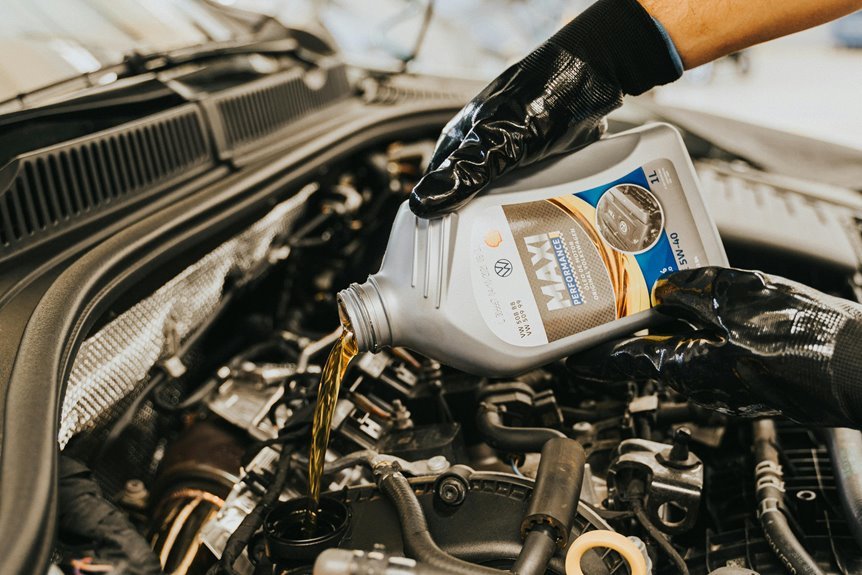

Nearly 70% of engine wear happens during startup, so the oil you choose matters more than you may assume. Whenever you see a grade like 5W-30, you’re really looking at how quickly the oil moves in the cold and how steady it stays while the engine heats up. That balance can affect smooth starts, fuel use, and long-term protection, and the right choice isn’t always the thickest one.
What Engine Oil Grades Mean
Engine oil grades tell you how easily the oil flows in the cold and how well it holds up as soon as the engine gets hot.
You’ll see numbers like 5W-30, and each part gives you viscosity basics.
The initial number with W means winter flow, so a lower number helps oil move sooner on cold mornings. The second number shows how thick the oil stays at engine heat.
That balance matters because your engine depends on the right fit, not a guess.
Also, oil certification from groups like API helps you trust the grade on the bottle.
Upon choosing a certified oil that matches your manual, you join the crowd of drivers who protect their engines with confidence.
How Engine Oil Viscosity Affects Performance
As soon as oil flows at the right speed, your engine feels the difference right away. You get smoother starts, steadier power, and less drag inside the parts you trust every day.
Viscosity balance matters because oil can’t be too thin or too thick. Whenever it’s too thin, the film breaks down. Whenever it’s too thick, lubrication flow slows and parts work harder.
With the right grade, you help your engine keep a strong protective layer under heat and load. That support cuts wear, reduces strain, and can even help fuel use stay efficient.
Whenever you choose the grade your manual calls for, you’re not guessing. You’re giving your engine a better match, and that feels good every mile.
Why Oil Grade Matters for Cold Starts
When you start your engine on a cold morning, the right oil grade helps oil flow fast and reach essential parts before wear can build up.
A lower winter rating, like 0W or 5W, can move more easily in the cold, so your engine gets protection sooner.
That quicker cold flow matters because startup is when many engines take their hardest hit.
Cold-Flow Protection
Cold starts ask a lot from your oil, and this is where grade matters most.
When you choose the right oil, you help cold flow lubrication reach moving parts fast, even as the morning feels icy.
A lower winter number gives better winter pumpability, so your oil can travel through tight passages without struggling.
That matters because thick oil can move like honey on a bad day, and nobody wants that at dawn.
With the proper grade, you keep flow steady, reduce drag on startup, and support your engine through the initial few moments.
Start-Up Wear Reduction
A smart oil choice can make a huge difference in the initial few seconds after startup, because most engine wear happens before the oil fully reaches every moving part. When you pick the right grade, you cut startup friction and help the oil form boundary lubrication fast. That matters because metal parts can rub hard while the engine is still cold.
- A lower winter rating helps oil move sooner in chilly weather.
- Faster flow helps protect bearings, cams, and pistons.
- The right viscosity supports film strength after ignition.
- Your manual points you to the grade your engine trusts.
How Oil Grade Affects Gas Mileage
Your engine oil grade can nudge your gas mileage up or down more than many drivers expect. When you choose a thinner grade that fits your engine, the oil flows faster and cuts pumping losses reduction at startup and during short trips.
That means your engine spends less energy moving oil, so more power reaches the wheels. You might notice the gain most in city driving, where cold starts happen often and every little bit counts.
Thicker oil can raise drag inside the engine, so fuel economy tradeoffs show up fast in stop-and-go traffic. Still, the right grade protects parts while keeping friction low. If you stay within the maker’s spec, you help your ride run smoother, sip less fuel, and feel like it belongs on every drive.
Which Oil Grade Fits Your Engine
When it comes to picking the right oil grade, the best place to start is always your owner’s manual. You’ll see the viscosity that fits your engine’s clearances, and that choice keeps you in the same reliable circle as other careful drivers. If your engine is newer, it might ask for a lighter grade. If it has more engine age, it might need a thicker option to stay comfortable.
- Match the SAE number to the manual initially.
- Check your usual driving and towing load.
- Use the grade your climate and commute support.
- Choose quality oil that meets API specs.
When you feel unsure, trust the label and stay steady. A good match helps your engine work smoothly, without drama or guesswork.
Which Oil Grades Protect Better in Heat
Heat changes everything inside an engine, so the oil you choose has to hold its ground. You want a grade that keeps heat film strength strong once metal gets hot and parts start working hard.
That’s why higher hot grades, like 5W-40 and 10W-40, often protect better in heat than thinner oils. They stay thicker at operating temperature, so they don’t slide away as fast.
Still, you don’t need the thickest bottle on the shelf; you need the right fit for your engine. Oils with strong thermal breakdown resistance also keep their shape longer and fight sludge better.
How Driving Style Changes Oil Needs
Should you drive gently most of the time, your engine usually asks for a different kind of oil support than it would under hard driving. You still need the right grade, but your habits change how fast oil ages and how well it protects.
Whenever you cruise calmly, oil faces less heat and stress. Whenever you face stop and go driving, it works harder at every light and slow crawl. That extra demand can thin the film faster and raise wear.
- Short trips leave more moisture in the oil.
- Aggressive towing loads the engine and heats the oil.
- Fast starts need oil that flows quickly.
- Heavy traffic keeps oil moving under strain.
Synthetic vs Conventional Oil Grades
You’ll notice synthetic oil usually flows better in cold weather and stays more stable when the engine runs hot, so it can give you stronger all-around protection.
Conventional oil can still work well, but it often breaks down faster and mightn’t handle extreme temperatures as smoothly.
Synthetic Oil Advantages
Because engine oil has to do a lot of hard work, synthetic oil often gives you a real edge over conventional oil. You get stronger additive stability, so the oil keeps doing its job longer and more evenly. You also gain better thermal resistance, which helps whenever your engine runs hot or faces stop-and-go traffic.
- It flows quickly at startup, so you feel smoother cranking on cold mornings.
- It holds its protective film well, which can calm engine wear.
- It stays consistent across a wider temperature range, helping your ride feel settled.
- It supports cleaner operation, so you can trust your maintenance routine more.
Whenever you choose synthetic, you’re joining drivers who want steady protection and less worry every mile.
Conventional Oil Limits
Synthetic oil gives you a lot of flexibility, but conventional oil doesn’t always keep up the same way across different engine demands.
You might save money at the pump, yet you can also face faster oil breakdown under heat, hard driving, or long drain intervals.
Because it has lower oxidation resistance, conventional oil can thicken, form deposits, and lose protection sooner.
That means your engine may need closer attention, especially when you drive in hot weather, tow, or sit in traffic.
So, whenever you choose conventional oil, stick to the right grade and change it on time.
You still get solid basic protection, but you don’t get the same staying power.
For many drivers, that tradeoff feels okay, as long as you know it clearly.
Signs You’re Using the Wrong Oil Grade
Should the oil grade in your engine be wrong, the signs often show up sooner than you’d envisage, and they usually start with small changes that are easy to miss. You may notice an oil pressure warning, a slow crank, or an engine noise increase that sounds rougher than usual. The cabin can feel less calm too, because the engine works harder if the oil is too thick or too thin.
- You hear tapping after startup.
- Your fuel use climbs without reason.
- The engine runs hotter in traffic.
- The oil looks dirty too soon.
If these clues show up, trust them. Your car is trying to speak up, and you deserve to catch it promptly.
How to Read a Multigrade Oil Label
A multigrade oil label might look like a tiny code, but it tells you a lot at a glance. You’ll usually see oil label symbols, brand marks, and a number like 5W-30. The initial part, 5W, shows how the oil flows in cold starts. The W means winter, so lower numbers move easier in chilly engine conditions.
The second number, 30, shows how thick the oil stays when hot. That’s one of the key viscosity rating codes you’ll read on the bottle. After that, you may spot API letters that show the oil meets engine standards.
Whenever you learn this pattern, the label stops feeling confusing and starts feeling like a quick guide you can trust.
Choose the Right Oil Grade for Your Car
Picking the right oil grade for your car can feel tricky, but it gets much easier once you know what your engine needs. Start with your owner’s manual, then match the viscosity to your climate and driving style. If you drive in cold weather, a lower winter number helps you start smoother. If you tow or sit in traffic, you may need stronger hot protection.
- Check the recommended SAE grade first.
- Match oil change intervals to the oil type you choose.
- Confirm oil filter compatibility before you buy.
- Pick a grade that fits your engine’s age and mileage.
When you stay close to factory specs, you protect your engine and join the crowd of drivers who keep things running right. A smart choice now saves stress later, and that’s a win.
Frequently Asked Questions
What Do API S and C Ratings Mean?
API S and C ratings show which engines an oil is designed for: S is for gasoline engines and C is for diesel engines. Choose the API service category that matches your engine so it meets cleanliness standards and helps protect engine parts.
How Many SAE Viscosity Classes Exist?
SAE has 14 viscosity grades, spanning 0W to 60. These grades help match your engine oil to the needs of your engine.
Do Newer Engines Always Need Thinner Oil?
No. Use the viscosity listed in your owner’s manual because engine clearances, oil pump design, and fuel economy targets differ by model. A newer engine may still call for a specific oil grade to protect parts, improve cold starts, and keep friction low.
What Does the W in 5W-30 Stand For?
The W stands for winter, referring to the oil’s low temperature rating. For example, on a freezing morning, the oil flows more readily, helping the engine crank more easily and start smoothly.
How Do Viscosity Index Improvers Work?
Viscosity index improvers are polymers that coil up in cold oil and spread out as the oil warms. This helps the oil resist thinning at high temperature while still flowing more easily when cold, which keeps protection more consistent.