
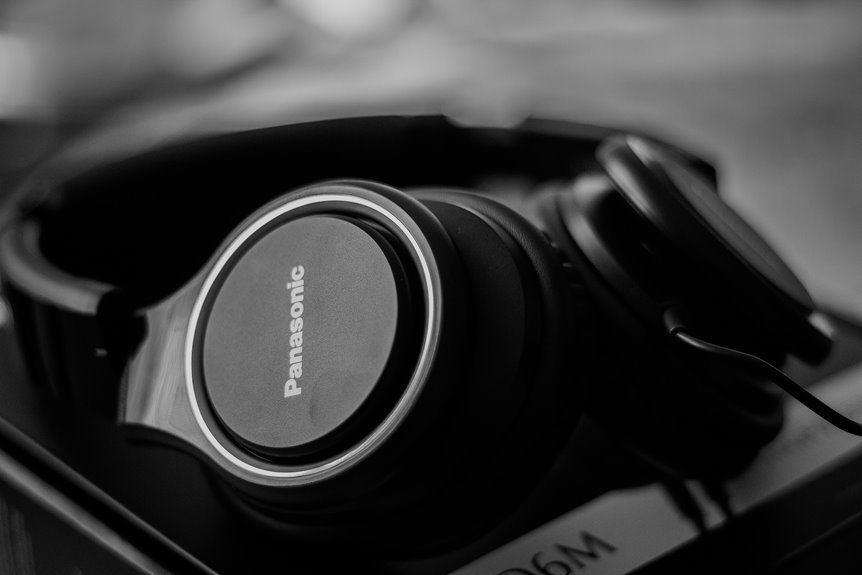

As you put on noise cancelling headphones, you’re not just blocking sound, you’re giving your brain a break. Tiny microphones catch steady noise around you, then the headphones create a matching wave to cancel it out, which can make focus feel much easier. That calm helps whenever engines, fans, or traffic start wearing you down, but not every sound fades the same way. The real difference shows up in how your mind responds next.
How Noise Cancelling Headphones Work
As you switch on noise cancelling headphones, they start listening before you even notice the quiet. Tiny microphones catch the hum around you, from bus engines to office chatter. Then the chip does phase inversion, creating a sound wave that matches the noise but flips it.
Next, that wave meets the unwanted sound inside your ears, and destructive interference makes both fade. You don’t hear a magic trick; you hear careful timing. The headphones keep checking the room and sending new signals right away, so the canceling stays steady.
Meanwhile, the speakers play the inverted wave through the cups. That mix of sensing, flipping, and blending helps you feel less boxed in and more at ease wherever you wear them.
Why They Help You Focus
When you put on noise cancelling headphones, they cut down the background noise that keeps pulling your attention away.
That means fewer little distractions from chatter, traffic, or office hum, so your brain can stay on one task longer.
With less noise fighting for your attention, you can focus more easily and get into your work with less effort.
Reduced Background Noise
As background sound levels drop, your brain doesn’t need to work as hard to sort through the mix. That steady ambient noise reduction can feel like a quiet relief, especially while you’re in a packed office, on a train, or studying with others nearby.
Because the outside sound fades, you can stay present with your own work and feel more at ease. That sense of calm helps you feel included in your own space, even while the world around you stays active.
Fewer Distractions
Noise cancelling headphones help you stay on task because they cut down the little sounds that pull your attention away. You hear less chatter, less tapping, and less hum, so your mind feels less crowded. That can make you feel like you’re working with the same calm group, even if you’re on your own.
| Situation | What You Hear | Result |
|---|---|---|
| Open office | Voices | Less background distraction |
| Cafeteria | Dishes | Steadier focus |
| Train ride | Rumble | More ease |
| Home desk | TV noise | Less visual clutter |
| Library | Footsteps | Quieter space |
Because the outside world feels softer, you don’t have to keep reacting to every tiny sound. Instead, you can settle in, breathe easier, and keep your place without feeling pulled around all day.
Improved Task Concentration
With the background chatter softened, your brain can put more energy into the task in front of you. You settle in faster, and that calm edge helps you stay with your work longer.
Noise cancelling headphones make deep work feel more natural because you don’t have to keep fighting stray sounds. Instead of task switching every time a door shuts or a voice rises, you keep your attention anchored where it belongs.
That steady focus can make you feel more capable and less drained, especially whenever the day already feels crowded. You’re not cutting yourself off from everyone. You’re giving your mind a quieter lane, so it can breathe, ponder, and stay present with the job you chose.
Active vs Passive Noise Cancellation
Although both types aim to make your listening calmer, active and passive noise cancellation do it in very different ways. You get passive isolation from snug cushions and tight seals, which block outside sound without power. Active systems add battery dependence, because they use electronic processing to reduce steady low sounds.
- Passive works best when your ears need a simple shield from chatter and hiss.
- Active helps most when engines, fans, or train rumble keep tugging at your attention.
- Premium models blend both, so you feel included in a quieter space, not cut off from it.
Whenever you choose, consider about where you listen most.
Should comfort and simplicity matter, passive can feel enough.
Should deeper calm matter, active often gives you the extra edge.
How Microphones Cancel Noise
You’ll notice the microphones are placed in smart spots on and inside the ear cups so they can catch outside noise before it reaches your ears.
They listen closely to the ambient sound around you, then send that signal to the headphone system for analysis.
From there, your headphones create an anti-noise wave that’s the exact opposite, which helps cancel the unwanted sound.
Microphone Placement
Microphone placement plays a huge role in how well noise cancelling headphones work, because the microphones are the ears of the system. Once you wear them, good microphone positioning helps the headset hear outside sound from the right angle, so it can build a stronger response. That’s why designers use directional capture, which helps the headphones focus on noise instead of your music.
- Outside mics catch sound early.
- Inside mics check what slips in.
- Together, they help the headphones react fast.
Capturing Ambient Sound
As soon as the microphones pick up the steady rumble around you, the headphones get to work turning that noise into something they can fight.
You don’t just hear random sound; the mics do ambient sound capture and send it to the system for environmental noise analysis. That step helps your headphones notice the hum of a bus, the drone of air, or the buzz in a café.
Because they listen for patterns, they can separate steady background noise from the music or podcast you want.
So, while you stay in your own zone, the microphones keep scanning the room and update what the headphones know.
This quiet teamwork makes your space feel more yours, even as the world around you stays busy.
Anti-Noise Wave Creation
Once the microphones catch the noise around you, the headphones start building its match. You hear comfort because they don’t fight sound with silence alone. Instead, the system reads your background hum, then creates a wave with phase inversion. That wave moves opposite the noise you’re hearing.
- The chip shapes the canceling signal fast.
- The drivers send it into your ears.
- The two waves meet in destructive interference, and the noise fades.
Which Sounds They Block Best
Because active noise cancellation works by targeting steady sound waves, it blocks certain noises much better than others. You’ll notice the best results with a low frequency hum, like an airplane cabin, bus engine, or office fan. Those sounds stay steady, so your headphones can meet them with an opposing wave.
A constant drone is easier to tame, too, because it doesn’t jump around much. That means you get a calmer listening space without fighting every little rumble. By contrast, sharp voices, clinks, and sudden bangs slip through more easily.
Still, when the background stays even, your headphones feel like a helpful shield. You can relax into that shared quiet and enjoy the moment with the crowd around you.
Why Quiet Improves Concentration
At the time you cut down background noise, your brain doesn’t have to work as hard to sort out what matters.
That lower mental strain leaves you with more energy for focus, so you can stay with one task longer without feeling as scattered.
Quiet also helps you hold attention steady, which makes it easier to finish work, study, or reflect clearly.
Reduced Cognitive Load
Quiet can do more than just feel nice, it can help your brain work with less strain. Whenever you wear noise cancelling headphones, you give yourself cognitive easing, and that can soften mental fatigue during long study blocks or busy workdays. You’re not fighting every hum, rattle, and buzz, so your mind can stay calmer and more organized.
- Your attention uses less energy when the sound field stays steady.
- Your thoughts feel less crowded, so you can settle into the task with ease.
- You might feel more included in your own space, even in a packed room.
That softer load helps you keep going without feeling worn out too soon. With less strain on your senses, you can focus with more comfort and confidence.
Fewer Distractions
Less mental strain also means fewer things pulling at your focus at once, and that’s where noise cancelling headphones really start to help. When you cut down the hum of traffic, chatter, and clatter, your mind gets room to breathe. You’re not fighting every sound, so you can settle in with less effort and feel more connected to the task in front of you.
That quiet can feel like a small digital detox, especially when your day already feels packed with alerts and noise. It also gives you an attention reset, which helps you feel less scattered and more steady. In that calm space, you can join the moment instead of chasing it, and that simple shift can make work, study, or rest feel much easier.
Sustained Attention
Because your brain works hard to sort sound, a noisy space can make focus feel like a tug of war. As you use noise cancelling headphones, you give your mind room to settle, and that quiet helps you stay with one task longer. Your attention span stretches because fewer sounds keep pulling you away, and your mental endurance grows because you spend less energy fighting the room.
- You hear less chatter, so your thoughts stay on track.
- You feel less drained, so you can work, study, or read with steadier effort.
- You stay more present, which helps you belong in the moment, not just the noise.
That calm doesn’t do the work for you, but it helps you keep going without feeling worn out.
Noise Cancelling Headphones for Work
Whenever you work in a busy office, from home, or on the move, noise-cancelling headphones can help you stay focused without feeling cut off from the world.
You can tune out chatter, traffic, and printer hum, so your mind has room to do real work. They also support workplace call privacy, because your voice stays clearer and more contained during meetings.
Whenever you wear them, keep desk ergonomics in mind. A good fit lets you sit straighter, reach less, and stay comfortable through long tasks.
Many models use active noise cancellation, which cuts low, steady sounds, while soft ear cushions add passive blocking. That mix helps you feel settled with your team, even whenever your space is loud, shared, or always changing.
Noise Cancelling Headphones for Study
When you study in a noisy room, noise cancelling headphones can give your mind the quiet it needs to settle in. You don’t have to fight every cough, fan, or hallway burst of chatter. Instead, you can build a calm space that helps you stay with the page. For best results, set your study playlist balance low enough that words don’t pull your focus away.
- Choose a fit that seals well, so distractions fade faster.
- Match your exam room setup habits by practicing with the same quiet routine.
- Let the headphones support focus, not replace your own pace.
When you wear them, you might feel more settled and included in your own study zone. That small sense of control can make hard chapters feel less lonely.
Noise Cancelling Headphones for Travel
Long trips can feel loud in all the worst ways, from engine drone to chatty neighbors to the endless shuffle of carry-ons. As you put on noise cancelling headphones, you give yourself a small travel bubble that helps you settle in and feel like you belong anywhere.
On a plane, they improve flight cabin comfort by softening the steady hum, so your music, podcast, or quiet can breathe. Then, in the airport, they bring airport terminal calm by trimming down announcements and rolling bags.
Because they use microphones and inverse sound waves, they work best on low, constant noise, which suits travel days well. So, you can move through gates, layovers, and seat changes with less strain and a lot more ease.
Limits of Noise Cancelling Headphones
Even the best noise cancelling headphones have limits, and that’s normal. You’ll notice that they calm steady hums more than sharp voices, sudden clanks, or fast changes in sound. That doesn’t mean you picked the wrong pair; it just means the tech has a job it does best. Your comfort also matters, because fit sensitivity can change how well the seal holds and how much noise slips in.
- Low rumbles fade best, while chatter might still peek through.
- battery drain can limit long listening days, so power matters.
- A loose fit or moving your head can weaken the effect.
Features That Improve Focus Further
When noise cancelling headphones are doing their job well, you can get even more focus help from the features wrapped around that core tech.
You can lean on ambient awareness mode whenever you need to hear your name, a train alert, or a quick question from a teammate. That keeps you connected without breaking your flow.
Adaptive recalibration matters too, because it lets the headphones adjust whenever you turn your head, shift in your seat, or move into a louder room.
Some models also soften sudden sound spikes, so chatter feels less jarring.
Together, these tools make your quiet space feel more natural and less forced. You stay present, and your attention gets a steadier place to land.
How to Choose the Right Pair
To choose the right pair, start with how and where you’ll actually use them, because the best noise cancelling headphones for a plane ride aren’t always the best choice for a busy office or a noisy commute. Then check these three things:
- Match the noise style. Whenever you face steady hum, strong ANC helps most.
- Protect fit and comfort. Soft pads and a secure seal keep you relaxed for hours.
- Balance budget considerations with battery life, controls, and mic quality.
You deserve gear that feels like it belongs in your day, not something you fight with. So try them on whenever you can, and pay attention to pressure, weight, and how well voices still come through whenever you need them. Whenever the fit feels right, focus gets easier, and the whole experience feels a lot more yours.
Frequently Asked Questions
Do Noise Cancelling Headphones Work Without Playing Music?
Yes, you can wear noise cancelling headphones without music. They still cut low frequency noise and create a quieter space around you. You can enjoy comfortable wear while staying focused and undisturbed in different places.
Can ANC Damage Your Hearing Over Time?
ANC itself usually does not damage your hearing, but loud playback can. Keep the volume moderate and take regular breaks to protect your ears.
How Long Do Battery-Powered ANC Headphones Last?
Battery powered ANC headphones often run 20 to 40 hours on a single charge, and some reach 50. Careful volume settings and timely charging help extend listening time and keep the battery performing well for years.
Are Noise Cancelling Headphones Safe for Walking Outside?
Yes, you can use them outside, but do not block all outside sound. Use transparency mode or keep one ear open so you can hear traffic, bicycles, and people around you while walking.
Do Noise Cancelling Headphones Work on Phone Calls?
Yes, you can use them for phone calls, and they often make conversations clearer by cutting down background noise. Their microphone noise filtering can help the other person hear you better, although your voice quality still depends on the headset fit and signal strength.