
As you use the right composting tools, the whole pile feels easier to manage and far less messy. A sturdy bin, gloves, a pitchfork, and a simple scoop help you balance browns and greens, hold moisture like a wrung-out sponge, and keep air moving so heat can build. Then, as you turn the pile and watch for odor, pH, and texture, you’ll start to notice one small sign that tells you compost is almost ready.
Choose the Right Composting Tools
When you choose the right composting tools, you make the whole process easier, cleaner, and far less frustrating. You’ll feel more at home when your setup fits your space and your routine.
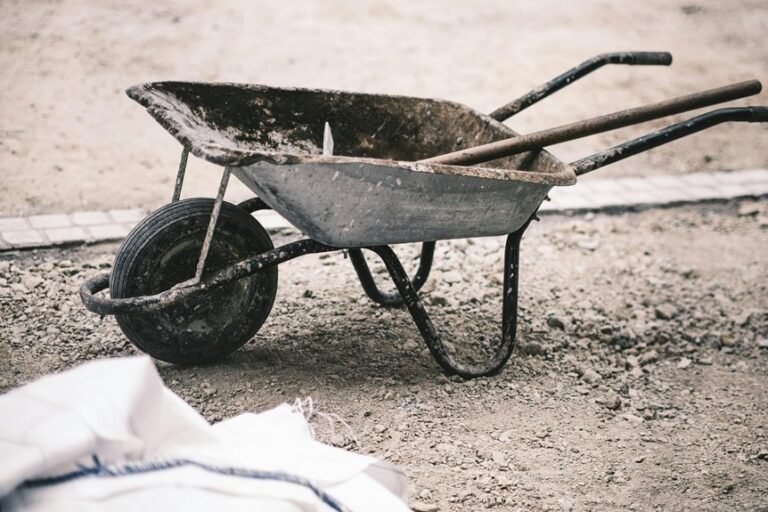
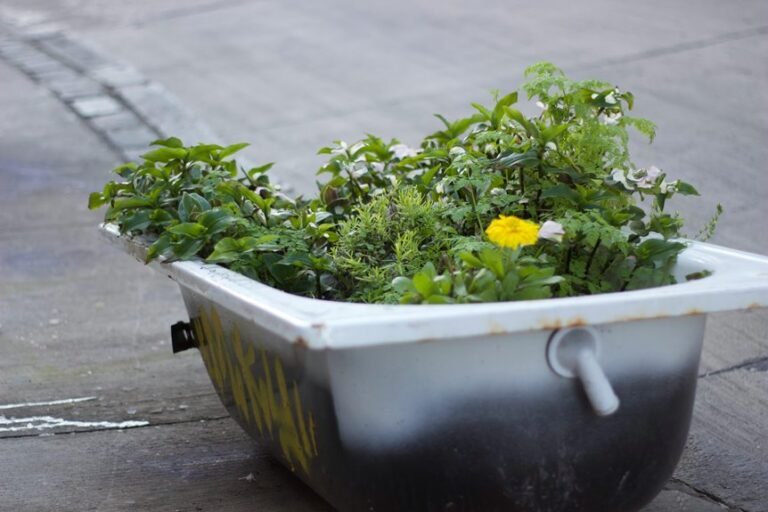
Start with sturdy compost bin materials that hold heat, resist rot, and stay simple to lift or move. Then add an easy compost scale so you can check scraps and browns without guessing. A tight lid helps keep your pile neat, while a pitchfork or hand fork makes turning smoother. Gloves also save your hands from mess and splinters.
When your tools work together, you spend less time battling clutter and more time building a pile that feels manageable, welcoming, and worth your effort.
Balance Moisture in Your Compost Pile
Now that your compost tools are ready, the next step is keeping the pile at the right moisture level so it can decompose without turning sloppy or dry.
You want it to feel like a wrung-out sponge, damp but not dripping. Check it often with moisture monitoring, especially after rain or after you add dry browns. When the pile seems thirsty, sprinkle water a little at a time and mix it in so every layer gets a fair share. When it feels too wet, add more dry leaves or shredded paper to improve water retention balance.
This steady care helps your pile stay friendly for microbes, and you’ll feel more confident each time you lift the lid. A well-tuned pile rewards you with richer compost and fewer surprises.
Improve Airflow in the Compost Bin
A good compost bin needs air just as much as it needs scraps and moisture. Once you improve airflow, you help tiny helpers work faster and keep bad smells away. You can do that via leaving space for air to move through the pile and via checking bin vent spacing often. Here’s a quick view:
| Sign | What you can do |
|---|---|
| Sour smell | Open vents wider |
| Wet clumps | Fluff the sides |
| Slow breakdown | Add air gaps |
| Warm center | Keep vents clear |
| Tight walls | Leave room around layers |
As you build, keep aeration around compost layers steady so each section can breathe. You’ll feel more confident once the bin smells earthy, not funky, and your compost crew will thank you with steady, healthy breakdown.
Mix Browns and Greens for Better Compost
Mixing browns and greens gives your compost the balance it needs to decompose well, and it’s easier than it sounds. You can build a strong carbon nitrogen balance by pairing dry leaves, shredded paper, or straw with fruit scraps, coffee grounds, and grass clippings.
Aim for about two to three parts browns to one part greens, so your pile stays steady and active. As you layer, tuck greens under browns to help them blend instead of clump. You’ll notice less waste, fewer sour smells, and a richer mix over time.
Whenever you keep both sides of the pile working together, you support the tiny helpers inside and guide them toward nutrient rich compost that feels right at home in your garden.
Keep Compost at the Right Temperature
Keeping your compost at the right temperature helps the pile work faster and smell better, so it’s worth watching closely.
Use temperature monitoring to check the core often, because the center tells you how active the microbes are. When the pile feels too cool, add more browns and greens in balanced layers so the microbes get fresh food. Then protect heat retention by covering the pile with dry leaves, straw, or cardboard.
This keeps warmth from escaping on chilly nights and helps your compost stay active. If the pile gets too hot, give it room to breathe by loosening packed spots and adding dry material. You’re not alone in this, and a steady pile is easier to manage than you might think.
Turn and Mix Compost More Efficiently
Turning your compost more efficiently can save you time and keep the pile healthier, especially whenever it starts to feel heavy or uneven. You can use compost turning tools like a fork, aerator, or tumbler handle to lift and fold the material without wearing yourself out.
Start at the outer edges, then move the wetter center bits outward for faster pile mixing. Whenever you work in layers, you’ll break up clumps and help air reach every pocket.
That steady movement keeps your crew of microbes busy and gives you a pile that feels more cooperative. Whenever the mix looks loose and even, you’re doing it right.
A few calm turns each week can make the job feel lighter and help you stay in step with your composting routine.
Control Compost pH and Odor
Whenever your compost starts to smell sour or look off-color, a small pH shift might be the reason, and you can usually steady it with a few simple moves.
You can practice pH balancing using adding dry browns like shredded paper or leaves, which soften sharp acids and calm the pile.
If the mix feels wet, stir in more airy material and turn it so oxygen can do its job. That helps odor control because trapped airless spots often cause the stink.
You can also bury fresh food scraps under a thick layer of browns, which keeps smells tucked in and helps your compost buddy group stay active.
With steady care, you’ll keep the pile pleasant, balanced, and ready to work for you.
Know When Compost Is Ready
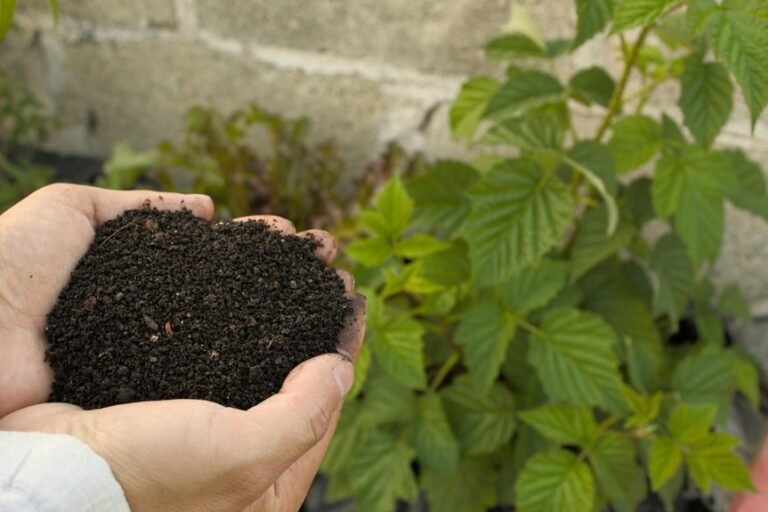
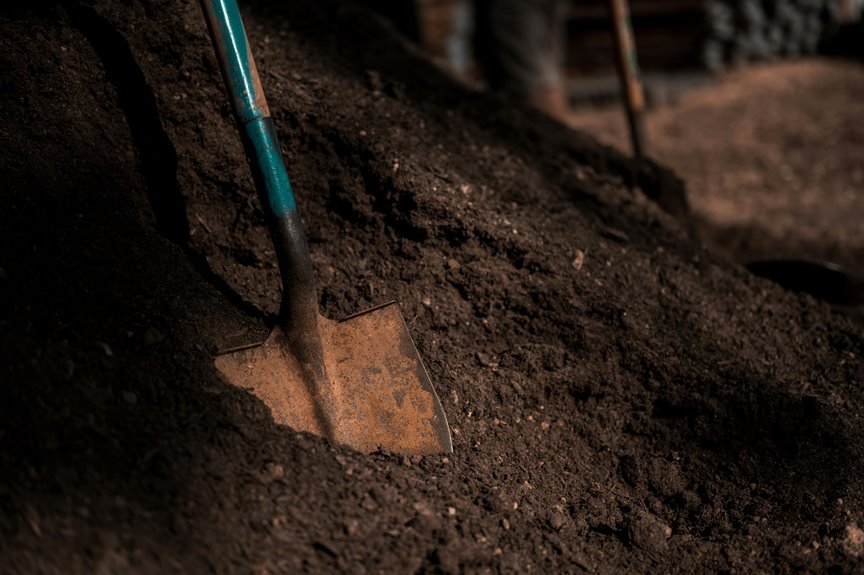
How can you tell if your compost has finished the job? You can trust the finished compost appearance when it looks dark, crumbly, and uniform. You won’t see food scraps, and you won’t feel heat when you reach in.
Next, take a breath and check for an earthy compost smell. If it smells like fresh soil, you’re close to ready. If it still reeks or feels slimy, give it more time and air.
Also, the pile should shrink, and worms may move through the cooler, stable mix. When you spread compost that’s fully ready, you help your garden feel like home. That’s the sweet spot, where your effort turns into rich, welcoming soil your plants can share.
Frequently Asked Questions
Which Composting Tools Work Best for Vermicomposting?
The most effective vermicomposting setup uses a worm bin, carbon rich bedding, balanced food scraps, and steady moisture control. Keep the bedding damp, add chopped kitchen scraps, and maintain airflow so the worms can thrive in a healthy, microbe rich environment.
How Do Compost Microbes Improve Soil Health?
Compost microbes improve soil health by breaking down organic matter, cycling nutrients into plant available forms, and feeding the soil food web. This creates soil that supports stronger plants and stays more resilient.
Can Compost Help Reduce Construction-Related Soil Compaction?
Yes, compost can help relieve construction related soil compaction by improving soil structure, increasing aeration, and making it easier for roots to grow. It can help restore activity in the soil and support a healthier yard.
What Role Do Bacteria Play in Breaking Down Pollutants?
Bacteria break down pollutants by digesting harmful chemicals and aiding bioremediation, which helps restore soil health. They transform toxic compounds, retain nutrients, and leave the environment cleaner and safer.
How Does Compost Improve Drought Resilience in Gardens?
Dry soil cracks less when compost is mixed in. It acts like a sponge, holding water around the roots for longer periods between waterings. The soil also stays more active with beneficial microbes, helping plants endure dry spells with less stress.