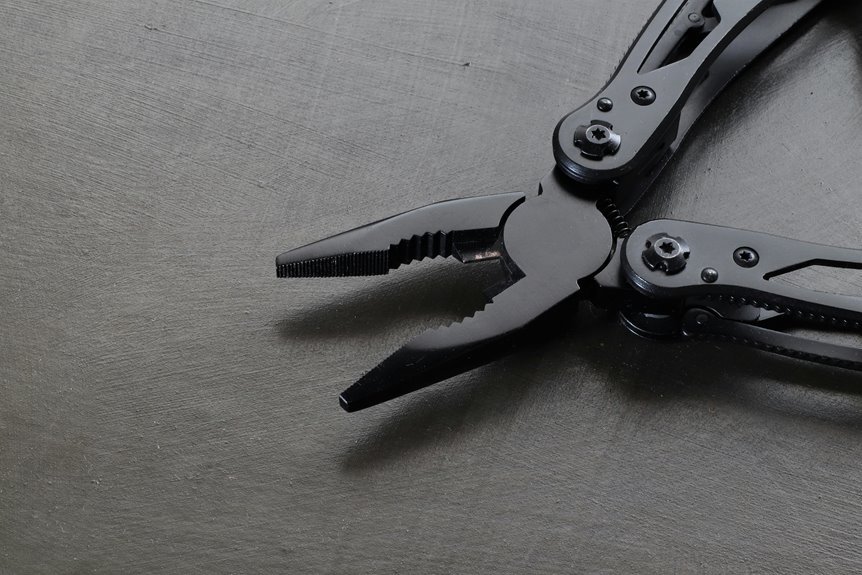

A multitool can feel like a tiny helper that’s always ready whenever life throws you a loose screw, a stubborn zip tie, or a package you can’t quite open. You get several useful functions in one pocket-size tool, and that makes quick fixes feel less annoying and a lot more doable. From cutting, gripping, and twisting to opening and smoothing, each part has a job that can save you a trip to the toolbox, and the smartest uses aren’t always the most obvious.
Multitool Basics: The Main Functions Explained
What makes a multitool so useful? You carry one small frame, yet you get screwdrivers, pliers, a ruler, and a bottle opener in your pocket. That means you can tighten a loose hinge, measure a quick gap, or free a stuck package without hunting for another tool.
Next, the main functions work together to keep you ready for daily fixes and odd jobs. Needle nose pliers help you grip tiny parts, while wire cutters trim string or wire cleanly. Phillips and flat drivers handle common screws, and hex drivers cover more hardware. Because tool maintenance matters, you should keep joints clean and choose strong material choices. Then your multitool stays smooth, dependable, and ready whenever your crew needs it.
Knife Blade Uses for Everyday Cuts
You can use your multitool knife blade to open packages with control, so you don’t tear up what’s inside.
It also trims cord and tape fast, which saves you time as small jobs stack up.
Whenever you need a clean line, you can score material quickly and keep the cut right where you want it.
Precise Package Opening
A multitool’s knife blade can make package opening feel safer, cleaner, and far less annoying. Whenever you need clean package edges, you guide the blade with light pressure and let it do the work. That small control helps you avoid ripping boxes and wrecking what’s inside. You’re not being fussy; you’re just protecting your time and your stuff.
- Score the top seam initially, then lift it gently.
- Use short cuts for opening adhesive seals without yanking.
- Keep your free hand clear so you stay steady.
This simple habit fits right into your everyday rhythm. It also helps you feel prepared, whether you’re opening supplies at home or a delivery at work. A clean cut can make the whole moment feel easier, and that’s a win you can count on.
Cord And Tape Trimming
Whenever cord or tape needs trimming, a multitool knife blade gives you a clean, controlled cut without turning the job into a wrestling match. You can snip paracord ends, shorten zip ties, and handle adhesive trimming when tape hangs loose on a box or cable. Because the blade stays close in your pocket, you don’t need to hunt for another tool while the work’s already in your hands.
For twine cleanup, you can slice frayed strands neatly so they don’t snag later. That small control helps you feel prepared, especially as you’re fixing gear with others around you. It also keeps your carry simple, since one compact tool covers quick cuts that pop up all day. As the task feels minor, the right blade still makes you look steady and capable.
Quick Material Scoring
How often do small marks save a big headache? When you use your multitool knife blade, you can make quick, clean scores that guide the next cut and keep you in control. You’re not hacking away; you’re helping the material break where you want.
- Use surface marking techniques on cardboard, vinyl, or thin plastic.
- Press lightly during scoring materials for craft prep, so you don’t tear the edge.
- Follow the line again in case you need a deeper groove, but keep your hand steady.
This simple step helps you feel ready, especially during you’re working with others who value neat results.
A quick score can turn a messy job into a smooth one, and that little bit of care makes your whole setup feel more capable.
Multitool Screwdriver Tips for Small Repairs
You can make small repairs faster when you pick the right screwdriver bit for the screw head.
Then you can tighten tiny screws with steady, careful turns so you don’t strip them or slip.
Keep your pressure light and controlled, and your multitool will feel a lot more like a helper than a hassle.
Choosing Right Bit
Which bit should you reach for initially? Start with the one that matches the screw head exactly, because bit compatibility saves you from slips and keeps you in control. As you carry a multitool, check driver storage so the right tip stays easy to grab and doesn’t vanish in your pocket.
- Match the shape first: Phillips, flat, or hex.
- Pick the snug fit, not the loose one.
- Keep a favorite bit near the driver for quick reach.
Then trust your hand and move slowly.
A well chosen bit helps you feel like you belong in the repair, not like you’re fighting it.
Whenever the screw looks worn, pause and choose the closest safe match.
That small step can turn a fussy task into a calm, tidy fix.
Tightening Small Screws
Whenever a small screw needs a careful turn, the right multitool tip can save the day and spare your nerves. You get precision screw access whenever the bit fits snugly, so choose a tip that fills the slot without wobble. That’s how you keep micro fastener control on tiny items like glasses, battery covers, and toy panels. Should the head look worn, switch bits instead of forcing a bad match.
| Tip | Use |
|---|---|
| Phillips | Cross slots |
| Flat | Simple slots |
| Torx | Star screws |
| Hex | Small hardware |
| Driver bits | Quick swaps |
You’ll feel more at ease whenever your tool handles the job cleanly. Then your multitool feels less like gear and more like a steady friend in your pocket.
Safe Pressure Control
As soon as you start a small repair, safe pressure matters just as much as the right tip. You keep control whenever you let the screwdriver do the work, not your whole hand. Good force calibration helps you feel the screw seat without stripping it, and that builds trust in the tool and in yourself.
- Hold the handle firm, but not tight.
- Turn until you feel the screw catch, then ease up.
- Stop at the initial sign of slip, because pressure safety protects both the screw and the surface.
Whenever you work this way, you join a crowd of fixers who respect clean results. A multitool gives you reach and grip, but your touch sets the pace. That calm pressure keeps tiny repairs neat and keeps frustration low.
Pliers for Gripping, Bending, and Pulling
Pliers often do the heavy lifting in a multitool, especially, because they give you a strong grip in a tiny package. You can reach into tight spots, hold slick parts, and keep control whenever your hands need help. For gripping stubborn hardware, the jaws bite firmly so you don’t slip and round edges.
Whenever you’re bending wire loops, the tips let you shape clean curves without much strain. You can also pull nails, fish out stuck bits, and twist small pieces back into place. That kind of help feels good whenever a job gets messy and you still want to finish strong.
Because the tool folds away, you carry real support wherever you go, and that makes everyday fixes feel easier and less lonely.
Can and Bottle Openers for Everyday Use
A can opener or bottle opener could look small, but it can save your day in a hurry. Whenever you keep one in your multitool, you get can opening convenience and easy bottle opening tips right where you need them. You don’t have to fumble around or borrow gear from a friend who’s already busy.
- Use steady pressure so the lid or cap comes off cleanly.
- Keep the opener aligned with the edge for a smooth turn.
- Wipe it dry after use so it stays ready for the next meal.
That little tool helps you feel prepared at camp, at work, or at home. It fits your pocket, joins your kit, and makes simple tasks feel less awkward and more like you belong.
Scissors and Wire Cutters for Small Jobs
Whenever you need to trim, snip, or clip something fast, scissors and wire cutters can feel like the tiny heroes in your multitool.
You reach for them whenever compact trim tasks pop up, like cutting zip ties, thread, or soft wire without hunting for another tool.
With delicate snip control, you keep clean edges and avoid damaging nearby material, which helps you feel calm and capable.
Because these cutters live inside your kit, you stay ready for quick fixes at home, at work, or on the go.
You’re not fumbling; you’re handling the small job with confidence.
And whenever the task shifts from fabric to wire, the same tool keeps pace, so you can finish neatly and get back to your day with less hassle.
Files and Saw Blades for Light Finishing
Whenever you need a clean edge or a better fit, files and saw blades step in to do the careful finishing work. You can use them for edge finishing after a rough cut, and that small touch often makes your project feel more polished and safe.
When you guide the blade or file with patience, you join a crew of makers who care about fit and feel.
- Use a saw blade to trim light material with control.
- Use a file for surface smoothing and to remove tiny burrs.
- Check the part again, then repeat only where it still catches.
That steady rhythm helps you fix small flaws without stress. It also gives you confidence, because your work starts to match your hands.
Why a Multitool Saves Space and Time
After you finish smoothing edges with files and saw blades, a multitool shows how much more one small tool can do for you.
You slip it into a pocket, and your load feels lighter right away. That’s the value of compact storage benefits: you keep pliers, screwdrivers, a ruler, and cutters close without hauling a full toolbox. Whenever a screw loosens, a package needs opening, or wire needs trimming, you don’t waste time hunting for another item. Instead, you reach once and get time saving convenience. This helps you stay calm, capable, and part of the crowd that gets things done. In daily life, that simple setup saves space in your bag and minutes in your day.
Frequently Asked Questions
Which Multitool Function Helps in Emergencies With Seat Belts?
You would use the seat belt cutter, an emergency escape tool, to free yourself quickly. It cuts straps in a crash, helps you stay ready, and gives you confidence when every second matters.
How Do You Safely Remove Stubborn Screw Heads?
Use a snug fitting bit, apply firm downward pressure, and turn it slowly. If the screw is rusted or beginning to strip, apply penetrating oil, tap it lightly, and keep your hand steady.
What Tool Opens Locked Doors in a Pinch?
You’d use lock bypass tools for emergency entry, such as a multitool with screwdrivers or pliers. They help you get inside quickly when every second counts.
Can Multitools Measure Lengths Accurately for Quick Tasks?
Yes, multitools can measure lengths for quick tasks, though they are not built for precision work. You can use the built in ruler for fast checks, enough to handle simple jobs and confirm rough sizes quickly.
Which Multitool Parts Help Start a Fire Outdoors?
You can use the flint striker and fire starter to ignite tinder outdoors. The sawtooth blade, file, and wire shaping tool also help you prepare kindling, so you are ready when your group needs warmth.