
If you’ve ever watched a sprinkler toss water across a lawn, you know it can look simple, but the way it works is surprisingly precise. You’ll see how water pressure, nozzle size, and moving parts shape every drop, and why a small shift can leave one patch soaked while another stays thirsty. Once you understand that flow, you can make your sprinkler work with your yard instead of against it.
What a Garden Sprinkler Does
A garden sprinkler does one simple but very significant job: it spreads water over your lawn, plants, or flower beds so they can grow evenly without you standing there with a hose.
You get a steady watering function that supports the garden purpose of keeping every spot healthy and cared for.
As soon as you turn it on, you can relax assured your space isn’t getting ignored.
Instead, it helps you give thirsty roots the drink they need, even as life gets busy.
That matters because your yard often feels like part of home, and you want it to look and feel welcome.
With the right sprinkler, you make daily care easier, and you stay connected to a yard that’s thriving, not just surviving.
How Garden Sprinklers Distribute Water
When water moves through a garden sprinkler, it does more than just come out in one stream, because the sprinkler breaks it into a pattern that spreads across the ground in a controlled way. You get a steady wash that helps each patch feel included, not left out. In an oscillating model, sprinkler cam motion shifts the spray arm side to side, so water reaches a rectangle instead of a circle. That’s why a zone watering layout can fit your lawn better.
| Pattern | Result |
|---|---|
| Wide spray | Covers more ground |
| Narrow spray | Focuses water where needed |
| Moving spray | Evens out coverage |
With impact or rotating heads, the stream turns into droplets and arcs across a set area. You’ll notice less puddling, more balance, and a yard that feels cared for.
Main Parts of a Garden Sprinkler
You can consider of a garden sprinkler as a small team of parts working together, starting with the water inlet valve that controls the flow.
From there, the spray nozzle design shapes how the water leaves the sprinkler, and the rotating arm assembly helps spread it where you need it.
Whenever these parts work well together, you get smoother coverage and less wasted water.
Water Inlet Valve
The water inlet valve is the sprinkler system’s starting gate, because it controls how water enters the whole setup. You depend on it to open at the right time and keep pressure steady. While valve seal wear starts, you could notice weak flow or drips. Should inlet screen clogging builds up, dirt can block the path and slow your watering day.
| Check | Why it matters |
|---|---|
| Open fully | Lets water move in fast |
| Inspect seals | Stops leaks |
| Clean the screen | Prevents clogging |
| Watch pressure | Keeps zones even |
Spray Nozzle Design
A sprinkler’s spray nozzle does a lot of quiet work, and it shapes how well your lawn or garden gets watered.
You can consider of spray nozzle geometry as the tiny blueprint that guides each drop. Whenever the opening is wider, you get a softer fan; whenever it’s tighter, you get stronger reach. Good nozzle spray shaping helps you cover beds, corners, and narrow strips without soaking one spot too much. You’ll notice that small changes in angle can make your watering feel more even and less wasteful. Should you choose the right nozzle, you fit in with a smarter, calmer watering routine. That means your plants get the care they need, and you get fewer dry patches, fewer puddles, and a lot less guesswork.
Rotating Arm Assembly
As nozzle shape sets the spray pattern, the rotating arm assembly decides how that water moves across the yard. You rely on this moving core to turn steady flow into a steady sweep.
Inside, the oscillation linkage connects the arm to a cam driven sweep, so the head rocks left and right instead of spinning in circles. That back and forth motion helps you cover a rectangular space more evenly, which feels great whenever your lawn needs a fair drink.
As water pushes through, the arm shifts, pauses, and returns with calm rhythm. You can also adjust the arm’s travel, so the spray fits your space better.
Whenever the parts stay clean and aligned, you get smoother coverage, less waste, and a setup that feels like it belongs in your yard.
Sprinkler Nozzles and Water Flow
Nozzles do more than just let water out. You help shape how each spray lands, so your lawn gets a fair drink, not a muddy surprise. When you choose the right opening, you steady the stream and cut flow turbulence effects that can mist the air or leave dry stripes.
Next, watch for nozzle wear patterns, since worn edges can widen the spray and waste water. Because your system runs under pressure, small changes matter. A clean nozzle keeps the flow smooth, and that helps you feel confident about every zone.
You can also match nozzle size to your water supply, so the heads work together instead of fighting each other. That simple fit makes your whole yard feel cared for.
How Rotating Sprinklers Cover a Lawn
Rotating sprinklers sweep water in a set pattern, so you can see the stream move across your lawn in a steady arc. Each pass reaches a new section, and the overlapping spray helps fill in dry gaps instead of leaving stripes.
Whenever you place the heads well, you get smoother coverage with less waste and a lawn that looks cared for.
Sprinkler Rotation Pattern
As the head turns, a rotating sprinkler covers your lawn in a smooth, steady circle that helps water land more evenly across a wide space. You can trust that motion because the rotation angle stays controlled, so each pass feels balanced and fair. The head moves with os cillation symmetry, which keeps one side from getting ahead of the other.
That means your grass gets a calmer, more even drink, and you don’t have to guess where the stream will swing next. As the gear train slows the spray, you get a gentler pace that helps the whole yard feel included. Provided your lawn has open areas, this pattern gives you dependable reach, clear coverage, and a neat rhythm that feels easy to live with.
Water Arc Coverage
A sprinkler’s sweep can feel almost like a patient painter moving across your lawn, and that arc matters more than it seems. You read water arc coverage by watching how far the head turns and where the spray lands.
With rotating sprinklers, arc geometry shapes the path, so a wider coverage angle reaches more grass, while a smaller angle keeps water close to one section. If you match that angle to your lawn’s size, you help each zone get the attention it needs.
You’ll also notice that steady movement makes it easier to fit edges, corners, and open spaces without fuss. As the arc feels right, your yard starts to feel cared for, and that calm makes the job feel less like a chore.
Overlap For Uniformity
Three or four well-placed sprinkler heads can make the difference between patchy grass and a yard that looks cared for. When you use rotating sprinklers, you want coverage overlap so each stream reaches past the next head’s edge. That shared spray helps zone blending, so one zone feels like part of the same lawn, not a separate island.
| Head spacing | Result | Best use |
|---|---|---|
| Too far | Dry gaps | Thin coverage |
| Just right | Smooth overlap | Most lawns |
| Too close | Wasteful soak | Tight spaces |
You’ll notice the best pattern when the arcs meet at about half their throw. Then your grass gets steady moisture, and you feel like your yard belongs together, not chopped into little thirsty pieces.
How Fixed Sprinklers Cover an Area
Fixed sprinklers cover an area through sending water in a set pattern from a head that stays in place, so you can aim the spray exactly where you need it. You get a steady fixed spray radius, which helps your beds feel cared for without guesswork. With stationary pattern adjustment, you can turn the head to match a border, corner, or small patch.
- Choose the angle that matches your space.
- Set the head so the spray reaches the edges.
- Check the pattern with a few cans and fine-tune it.
This kind of coverage works well whenever you want a simple, dependable setup. You stay in control, and your garden gets the friendly, even watering it deserves.
Water Pressure, Flow Rate, and Coverage
You need the right water pressure because it changes how far each sprinkler throws water and how evenly it lands.
While the flow rate stays steady, you get better efficiency, less waste, and fewer dry spots.
Through watching the coverage pattern, you can balance the spray so your lawn gets full, even watering without overdoing the edges.
Pressure And Spray Distance
When water pressure, flow rate, and spray distance work together, your sprinkler system can cover the lawn evenly without wasting water.
You’ll feel more confident whenever you match pressure balance to the head type, because strong pressure can push water too far, while weak pressure can leave dry spots.
Good spray reach helps each zone meet its edge without flooding the middle.
- Check the nozzle size so the stream stays steady.
- Set the pressure so the spray breaks into fine drops, not mist.
- Adjust the arc so water lands inside your shared space, not on paths.
With the right setup, you and your lawn team up nicely.
Small changes matter, and they help every corner get its share without the awkward patchy look.
Flow Rate Efficiency
Because water pressure and flow rate work as a team, your sprinkler system can cover each zone without wasting a drop. Once you keep water throughput steady, you help each head release the right amount of water at the right time.
That improves flow efficiency, so your lawn gets a fair share instead of a soggy patch here and a dry spot there. You’ll notice that balanced pressure lets valves, pipes, and risers do their jobs without strain. Then your sprinkler heads can match the zone size and still stay dependable.
Once the flow drops too low, coverage gets thin. Once it climbs too high, spray can drift away. So, through watching pressure and flow together, you make your whole yard feel included.
Coverage Pattern Balance
A steady sprinkler pattern starts with the right match between water pressure, flow rate, and the head’s design. When you tune those three parts together, you protect pattern symmetry and keep every corner of your yard included. If pressure runs too high, spray breaks up and drifts. If it’s too low, the middle stays dry. You can stay in control by checking each zone and matching the head to the space.
- Use the right nozzle for the area.
- Set pressure so droplets land evenly.
- Watch zone balance with a quick catch-can test.
Then you’ll see smoother coverage, less waste, and a lawn that feels cared for. Your sprinkler system works best when each zone pulls its weight.
Why Droplet Size Affects Water Reach
Droplet size changes how far water can travel, and that matters more than many people realize. If you use finer spray, droplet evaporation steals reach before the water lands. Tiny drops also slow down in wind, so they drift and miss the target. Bigger droplets keep more momentum, and that helps them fly farther with steadier aim.
You’ll also notice that nozzle atomization shapes this balance. A nozzle that breaks water into very fine mist gives smooth coverage nearby, but it shortens throw distance. A coarser stream sends water farther, yet it might feel less delicate on leaves.
Choosing the Right Sprinkler for Your Garden
The right sprinkler depends on how much ground you need to cover, so a small flower bed won’t need the same setup as a wide lawn.
You’ll also want to match the spray pattern to your space, because a gentle fixed spray works differently than a sweeping or rotating pattern.
Once you fit the sprinkler to both the size and shape of your garden, you save water and get steadier results.
Garden Size Matters
Because garden size shapes how water moves, choosing the right sprinkler starts with matching the tool to the space.
When you do garden size planning, you protect your plants and your peace of mind.
A quick lawn layout mapping sketch helps you see where water can reach and where it can’t. Try this:
- Small beds or tight corners suit fixed spray heads.
- Medium lawns often work well with oscillating or pop-up heads.
- Wide yards usually need rotating or impact styles.
You’ll feel more at home in your garden when each zone gets the right coverage.
Sprinkler Spray Patterns
Upon you line up a sprinkler, its spray pattern does more than move water around. You shape how each plant feels the day’s drink, and that can make your yard feel like it belongs together.
A fan spray works well for narrow beds, because it spreads water in a soft sheet instead of a hard stream. If your lawn is wider, check the pattern width so you don’t miss edges or soak paths. Oscillating models suit rectangles, while rotating heads fit bigger open spaces. Fixed spray heads help small corners and flower beds stay steady.
As you compare them, consider about reach, drift, and how much water lands in each spot. That way, you choose a sprinkler that fits your garden, not the other way around.
How to Avoid Dry Spots and Overwatering
To keep your lawn healthy, you need to give each area the right amount of water, not just a lot of it.
When you use zone by zone watering, you help every patch drink at its own pace, so weak spots don’t stay thirsty and soaked spots don’t turn soggy. You can also lean on runoff prevention tactics to keep water where your grass can use it.
- Watch the soil. If it feels damp an inch down, wait.
- Set shorter cycles. Let water soak in before the next pass.
- Check edges and slopes. They dry out fast and waste water fast.
Then adjust each zone for sun, shade, and plant need. That way, you’ll build a lawn that feels cared for, not guessed at, and your sprinklers will do their job without drama.
Sprinkler Overlap for Even Coverage
Even while you water each zone at the right time, uneven spacing can still leave some grass thirsty and other spots too wet. You can fix that using setting heads so their patterns meet at the edges. When you plan overlapping spray zones, each stream reaches into the next one and fills the gaps that one nozzle can miss.
That gives you edge to edge coverage across the lawn, so you don’t have to guess where water falls. Start using checking each head’s arc, then move them until the spray fans touch lightly, not heavily. If you stand back, you’ll see a steady pattern that feels fair to every patch. With this setup, your yard joins together like neighbors sharing a fence line, and everyone gets their turn.
How Soil Type Affects Water Distribution
Soil type changes how water moves, so your sprinkler setup has to match the ground beneath it. You belong to a yard that drinks at its own pace, and that matters. Sandy soil has quick soil texture infiltration, so water sinks fast and can spread past roots. Clay holds water longer, so clay drainage retention can leave puddles once spray falls too fast. Loam sits in the middle and usually feels more forgiving.
- Sandy ground needs gentler, shorter sprays.
- Clay ground needs slower, lighter watering.
- Loam needs balanced coverage.
When you watch how your soil responds, you protect roots and keep every drop useful. That steady fit helps your garden feel cared for, not guessed at, and your plants notice the difference.
Adjusting Garden Sprinklers for Better Efficiency
Once you understand how your soil moves water, you can tune your sprinklers to work with it instead of against it. You belong in a yard that feels easy to care for, and small adjustments can help.
Try seasonal efficiency tuning by changing run times as weather shifts, since hot weeks dry faster than cool ones.
Next, use hose end placement optimization so the spray lands on roots, not sidewalks or fences. Then, check the reach of each head and trim back coverage if water overlaps too much. You can also shift heads a little after planting changes, so new beds get steady moisture. Whenever you make these tweaks, you save water, protect growth, and keep your lawn looking cared for without extra stress.
Common Sprinkler Water Distribution Problems
Why does your sprinkler leave dry patches in one spot and soggy ground in another? You’re not alone, and this usually means uneven watering.
Initially, check for sprinkler clogging in nozzles, because grit can block spray and weaken coverage. Then look at pressure, since low flow makes some heads dribble while others blast. After that, inspect spacing and head type, because mismatched zones can’t share water well.
- Clean clogged nozzles.
- Match spray patterns to the lawn.
- Fix broken or tilted heads.
When you catch these problems at the outset, your system works with you, not against you. You’ll save water, protect roots, and keep your yard feeling even and cared for. Small fixes can bring the whole crew of sprinklers back together.
Frequently Asked Questions
How Do Oscillating Sprinklers Create a Back-And-Forth Spray Pattern?
Water pressure pushes the spray arm through each nozzle movement, while a cam shifts it from side to side. That repeated sweep spreads water evenly across the lawn without needing extra power.
What Makes Impact Sprinklers Rotate Without a Motor?
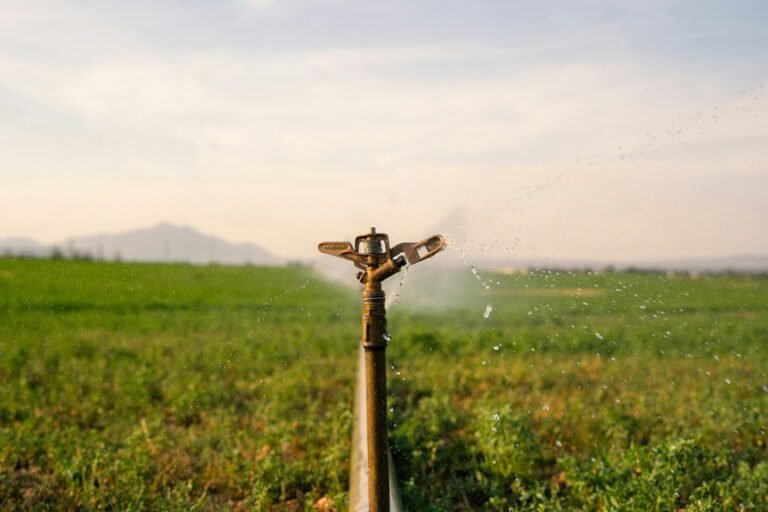
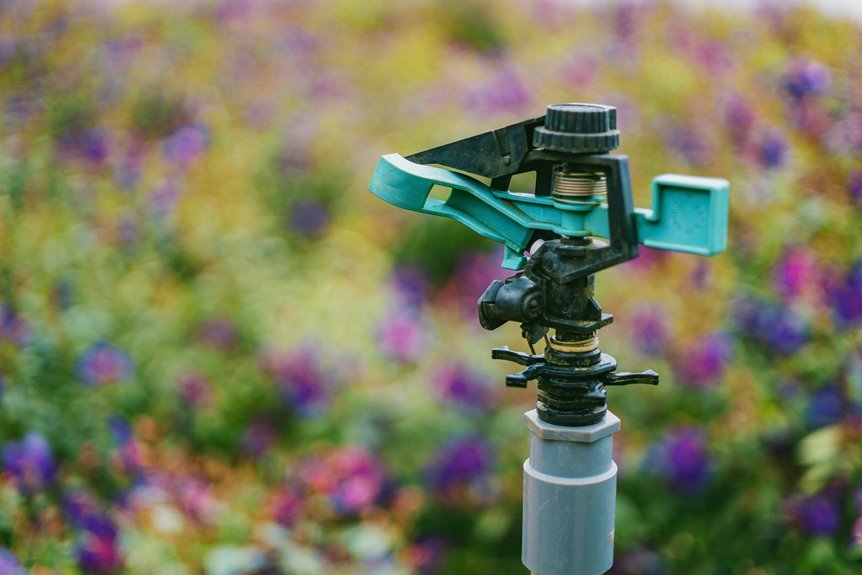
The impact mechanism uses water pressure to drive a hammer against a pin, causing the sprinkler head to move in small steps without a motor. This design spreads the water pattern efficiently across the area.
Why Do Pop-Up Sprinklers Disappear Into the Ground?
They retract into the ground because a spring loaded body and hidden lift mechanism pull the head back down when the water shuts off. That keeps the lawn clear, reduces trip hazards, and lets the system stay out of sight between watering cycles.
How Does a Controller Time Different Sprinkler Zones?
You program specific run times for each zone, and the controller activates one valve at a time in sequence. This gives each area the right amount of water, limits runoff, and keeps coverage even without overlapping spray.
What Do Backflow Prevention Valves Do in Sprinkler Systems?
They block polluted water from moving backward into your home’s water line, helping protect drinking water and prevent contamination. That keeps your sprinkler system and neighborhood water supply safer, while giving you a clearer understanding of how clean water remains protected.