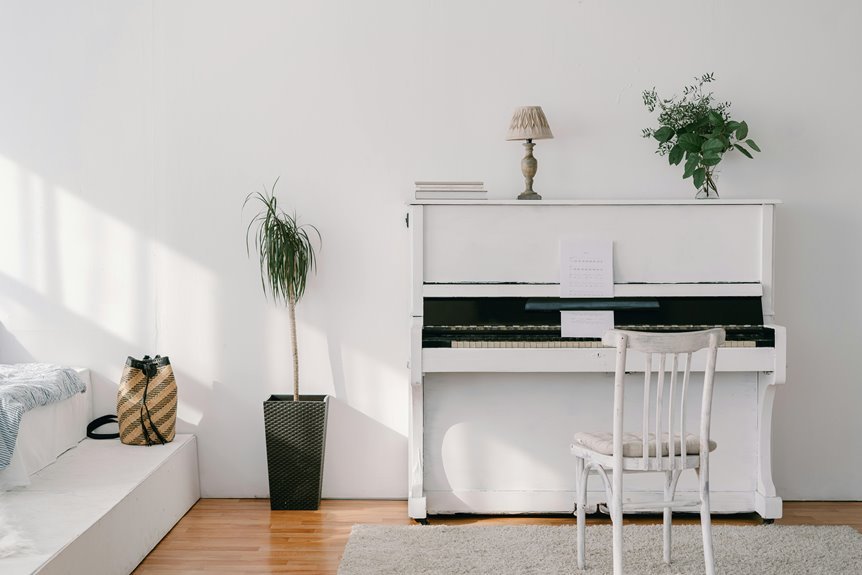

As you use minimalist decor well, your home starts to feel easier to live in because every piece has a job and every corner can breathe. You’ll notice how a simple furniture layout can change the whole mood, and then smart storage keeps the calm from slipping away. After that, negative space, soft texture, and a steady look from room to room create a clear flow that feels quiet, warm, and far more inviting than a packed space ever could.
What Space Clarity Looks Like in Minimalist Decor
Whenever minimalist decor feels clear, your room starts to breathe, and so do you. You notice visual calm firstly: fewer objects compete, so your eyes rest instead of darting around.
Then purposeful openness shows up in the space between pieces, and that breathing room helps you feel welcomed, not lost. You don’t need a bare room to get there. You simply keep what earns its place, like a chair you actually use, a lamp that softens evenings, or art that speaks quietly.
Each item should support the whole, not shout over it. If you choose with care, clutter fades, light moves more easily, and your home starts to feel like it knows you. That’s the comfort minimalist clarity brings.
Start With a Clear Furniture Layout
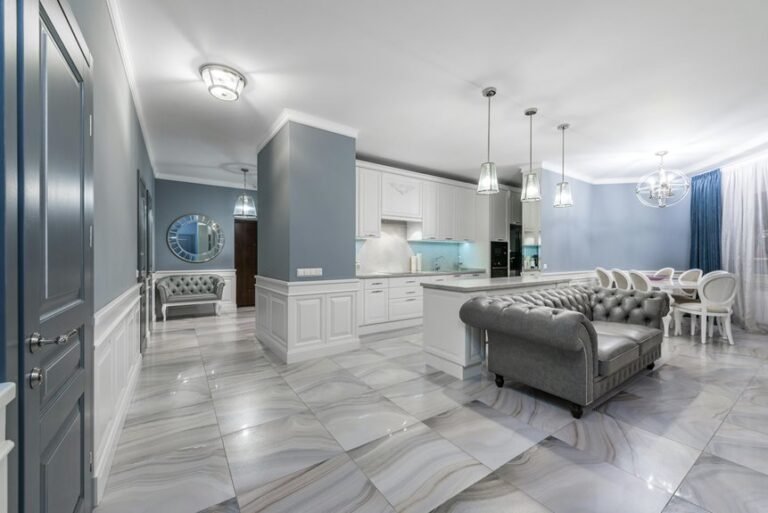
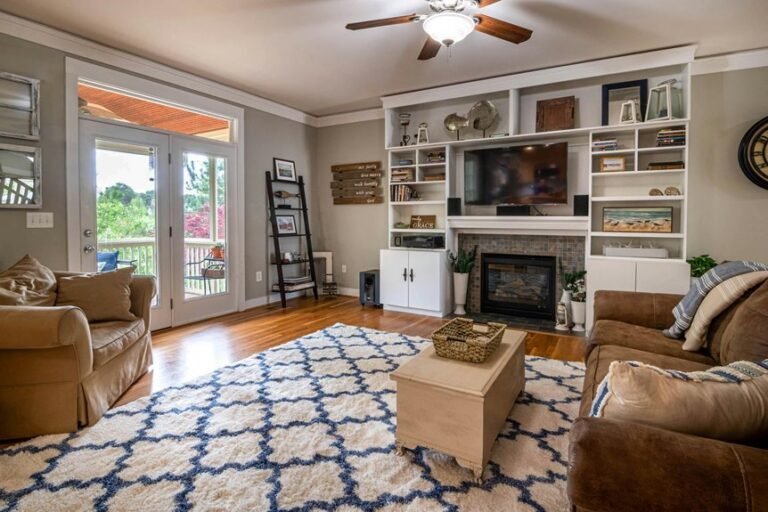
Start by anchoring the room with one main piece, like your sofa or bed, so the space has a clear center.
Then leave breathing room around each item so the layout feels open instead of crowded.
When you keep walkways easy and direct, you make the whole room feel calmer and more natural to use.
Anchor the Room First
What happens once a room feels cluttered, even before you add a single decorative piece? You lose ease, and that can make you feel a little out of place in your own home.
Leave Breathing Room
Once you’ve anchored the room, give it room to breathe. You can shape a calm home by keeping a clear furniture layout that feels welcoming, not crowded. That quiet open space helps your favorite pieces stand out and makes the room feel like it belongs to you.
- Place one main piece initially.
- Leave mindful emptiness around it.
- Keep side pieces simple and useful.
- Stop before the room feels busy.
When you choose less, you create visual ease and a softer mood. Your space starts to feel like a place where people can settle in, relax, and stay awhile. A few well-placed items can do more than a full room ever could, and that’s the charm.
Prioritize Easy Movement
Because a clear room feels easier to live in, you should begin with movement before you worry about decoration.
Visualize how you walk from the door to the sofa, or from the table to the kitchen. Keep those paths open so your pathway flow stays smooth and your movement ease never feels forced.
Choose a few low, simple pieces that fit the room instead of crowding it. Then place them with space between each one, like neighbors who respect each other’s porch.
You’ll feel calmer whenever chairs don’t snag your knees and doors swing free. Should one item blocks you, move it.
Small changes can make your home feel kinder, and you’ll belong in it more quickly.
Choose Fewer Pieces With Strong Purpose
Choose a few pieces that do real work, and let them earn their place in your space.
You can pick one strong statement piece, like a clean chair or bold lamp, to add character without crowding the room.
Then balance it with simple essentials that support daily life and keep your decor calm and useful.
Intentional Statement Pieces
A minimalist room feels most complete whenever every statement piece has a clear job to do. You don’t need many objects to feel at home; you need the right ones.
Choose statement focal points that greet you with calm confidence, then let the rest of the room breathe. This keeps your space from feeling crowded and helps you feel like you belong there.
- Pick one bold chair or lamp.
- Let art create curated accent moments.
- Keep shapes simple and easy to read.
- Place each piece where it supports flow.
Whenever you edit with care, your room starts to feel personal, warm, and balanced. Each choice speaks softly, yet it still stands out. That’s how you build a space that feels shared, lived-in, and truly yours.
Functional Decor Essentials
When you build a minimalist room, every item needs to earn its place. You can choose pieces that work hard and still feel calm. A bench with storage, a tray that holds keys, or a lamp with a slim shelf gives you more than one job from one spot.
These concealed utility pieces keep your room tidy without shouting for attention. Next, look for multi use accents that add beauty and function, like a basket that softens a corner while storing throws.
You don’t need many objects to feel settled. You need the right ones, placed with care, so your room feels open, useful, and welcoming. That balance helps you relax and belong in your own space.
Hide Visual Clutter With Smart Storage
Smart storage can quietly erase visual clutter, and that’s a huge win in a minimalist room. You can make your space feel like it belongs to you, not your stuff. Use concealed storage solutions that tuck daily items out of sight, then lean on concealed organization ideas that keep things easy to reach.
- Choose ottomans with lift tops.
- Use beds with drawers below.
- Add trays inside deep cabinets.
- Mount slim wall shelves with doors.
When you group similar items, you stop the small mess from spreading. Then your room feels calmer, and you do too. Pick pieces with clean lines and simple finishes, so storage blends in instead of shouting for attention. That way, your home stays neat, welcoming, and easy to enjoy every day.
Use Negative Space to Let Rooms Breathe
| Area | What you leave open | Feeling |
|---|---|---|
| Sofa | Side space | Easy flow |
| Bed | Wall gap | Quiet ease |
| Desk | Front room | Clear focus |
| Shelf | Floor break | Lightness |
| Entry | Pathway width | Welcoming calm |
These visual rest zones make your space feel less crowded and more like it belongs to you. As a result, each piece stands out without shouting, and moving through the room feels simple, smooth, and relaxed.
Limit Colors for a Calm, Unified Look
A limited color palette can make your room feel calm, steady, and easy on the eyes. You don’t need many shades to feel at home; you just need color harmony that supports the mood you want.
- Choose one base color and repeat it.
- Add one soft secondary shade for balance.
- Use muted accents to guide the eye gently.
- Keep bright colors rare, so they feel special.
When you limit color, your space feels connected, not busy. That matters because you want your room to welcome you, not compete with you. So let each wall, chair, and pillow work together. Then your room starts to feel like a place where you belong, with quiet style and easy comfort.
Pick Simple Materials That Feel Natural
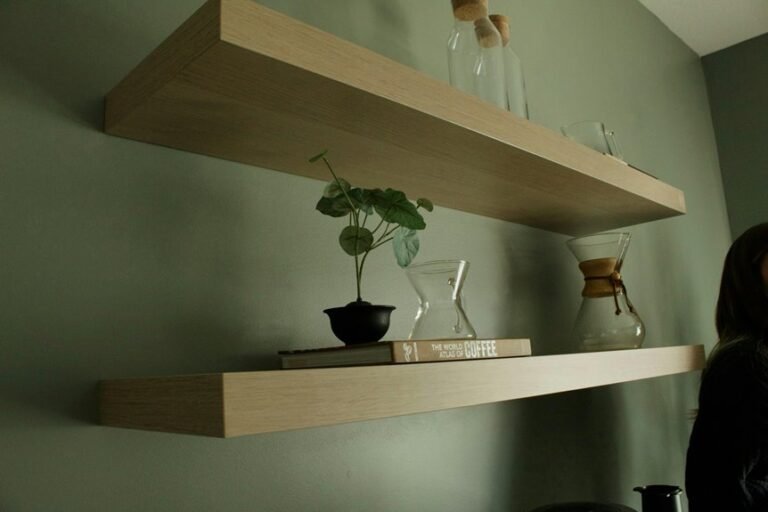
You can make a room feel calm fast using materials that look and feel real, like natural wood grain, stone, and linen.
These finishes add warmth without noise, so your space feels grounded instead of fussy. Whenever you mix them well, you get texture and comfort that still keeps the minimalist look clean.
Natural Wood Grain
- Choose one clear wood tone.
- Keep the finish matte or lightly sealed.
- Let the grain stay visible on shelves or tables.
- Balance it with open space and simple forms.
When you add just enough wood, your room feels friendlier, not crowded. You belong in that calm.
Even a small bench or frame can steady the whole layout, so your space feels shared, lived in, and quietly welcoming.
Stone And Linen
A linen sofa, curtain, or pillow brings linen softness that helps you feel settled and welcomed the moment you walk in. Together, these simple materials work like good neighbors: one holds the space steady, while the other softens the edges.
You don’t need many pieces here. Just choose a few natural surfaces that feel honest, touchable, and easy to live with. Then let light move across them, so your room stays open, warm, and unmistakably yours.
Let Light Strengthen the Open Feel
When natural light fills a minimalist room, it does more than brighten the space, it gives every clean line and open surface room to breathe. You can lean into daylight reflection with pale walls and simple glass, so sunlit openness feels steady, not harsh. To keep that calm flow, try:
- Open curtains wide each morning.
- Place mirrors where light can move.
- Keep windows clear of heavy layers.
- Choose finishes that softly bounce light.
These small choices help you feel welcomed by the room, like it’s made for easy mornings and quiet reset time. As light travels farther, your space feels larger, gentler, and more connected to you. When you let brightness lead, the room starts to feel like home, not a display.
Style Surfaces With Intentional Objects Only
A few intentional objects can make a surface feel calm, cared for, and fully alive. You don’t need many pieces; you need the right ones.
Choose curated tabletop accents that matter to you, like a small bowl, a simple lamp, or a book you actually love. Then place each item with purpose so the surface feels open, not crowded.
This kind of purposeful surface styling helps your room feel like it knows you and welcomes you back. Next, leave breathing room around each object so your eye can rest and your space can feel easy.
If you edit with care, you create a surface that supports daily life and still feels warm. That balance makes your home feel belonging-rich, quiet, and truly yours.
Balance Texture Without Adding Noise
Texture can make a minimalist room feel warm and real, but it has to stay quiet. You can do that using layered materials that share a calm palette, so the eye rests instead of racing. Whenever you mix linen, wood, wool, and stone, you add tactile contrast without clutter.
- Pick one soft surface for comfort.
- Add one firm surface for balance.
- Repeat a finish in small touches.
- Leave space so each texture breathes.
This way, you feel surrounded, not crowded, which helps the room feel like your own. Should a rug, chair, or bowl speak too loudly, it steals the mood. Let each piece whisper, and your space will feel welcoming, clear, and easy to live in.
Carry the Same Minimalist Look From Room to Room
As you move from room to room, the minimalist look should feel like one calm story, not a set of separate scenes. You do that via repeating a few details so your room to room transitions stay easy and your home keeps a consistent visual rhythm. Use this simple guide:
| Space | Shared tone | Shared detail |
|---|---|---|
| Entry | Soft neutral | Slim bench |
| Residence | Light gray | Clean lines |
| Kitchen | Warm white | Open shelves |
| Hallway | Pale beige | Bare walls |
| Bedroom | Soft sand | Low profile bed |
When you keep colors, shapes, and spacing in step, you help each room feel like it belongs to the same family. That gives you comfort, and it lets every space breathe without feeling lonely or scattered.
Avoid Common Minimalist Decor Mistakes
As you decorate minimally, it’s easy to slip into a space that feels cold, empty, or unfinished, so the goal isn’t to strip everything away, but to choose with care. You belong in a room that feels calm, not bare. Watch for common minimalist missteps that break that balance:
- Keep only pieces that earn their place.
- Avoid overdecorating surfaces with tiny objects.
- Skip bulky furniture that crowds the flow.
- Use soft color and texture to add warmth.
Whenever you edit with purpose, your room starts to breathe and feel more like home. Then each item can support comfort, clarity, and quiet confidence. Small choices matter, because less can still feel welcoming whenever you trust your eye and protect the open space.
Apply Space Clarity in Every Room
As you apply space clarity in every room, each area starts to feel easier to live in and simpler to enjoy. You can begin with room zoning balance, so each space has one clear job, like resting, working, or eating.
Then, leave enough open floor to help your home breathe and your mind settle. In kitchens and baths, use only what you reach for often, because less clutter keeps routines smooth. In bedrooms, soft colors and clean lines support calm without feeling cold.
Next, create clutter free transitions between rooms with open walkways, low furniture, and a few shared accents. That flow helps your home feel connected, not crowded. As you choose pieces with purpose, you make room for comfort, belonging, and easier everyday living.
Frequently Asked Questions
How Do I Choose Minimalist Decor That Still Feels Warm?
Choose a small number of pieces with tactile fabrics, warm light, and natural materials. Use calm neutral shades, clean shapes, and a few items that matter to you. The room stays uncluttered while still feeling welcoming, comfortable, and personal.
What’s the Best Way to Edit Sentimental Items?
You do not have to keep every memento. Sort through them one by one, and keep only the pieces that still carry meaning, bring back a clear memory, and deserve a place in your life.
How Can I Make a Small Room Feel Larger With Minimalism?
Clear away excess items, use furniture with a low silhouette, and bounce light with mirrors and pale wall colors. Keep only what you use, add height with slim vertical storage, and leave paths unobstructed.
Which Decor Pieces Should Stay Visible in a Minimalist Home?
Keep only a few intentional pieces in view: a favorite artwork, a sculptural lamp, a living plant, and one object with personal meaning. These touches add warmth and character without crowding the room.
How Do I Keep Minimalist Spaces From Feeling Unfinished?
You keep it polished by layering texture, balancing materials, and using varied lighting. Choose a few pieces that matter, pair soft textiles with crisp surfaces, and add warm lamps to make the space feel inviting, grounded, and complete.