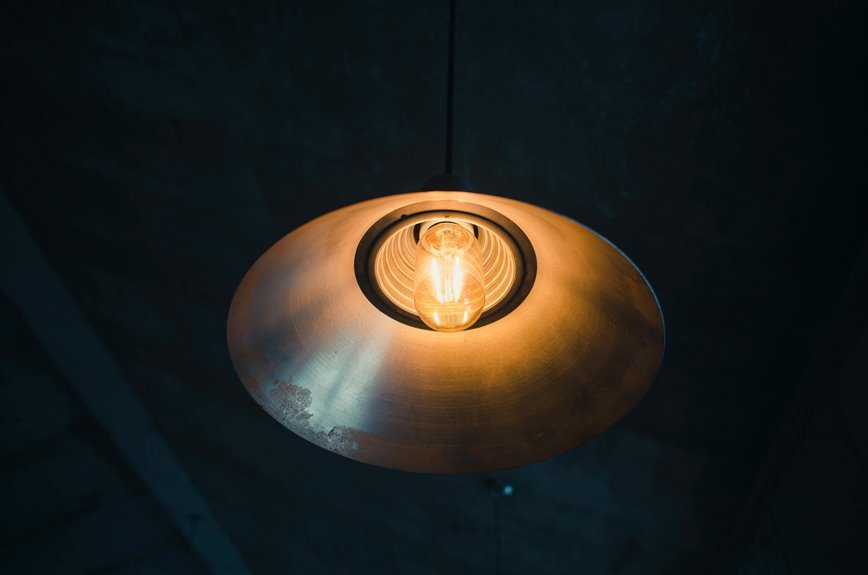

The right decorative lighting can change how a room feels in seconds. You could notice a warm chandelier making dinner feel calmer, or a sleek pendant adding energy to a kitchen. Soft table lamps and wall sconces can ease a harsh space, while dimmers let you shift the mood as the day changes. As soon as you choose each fixture with care, you don’t just light a room, you shape how it welcomes you, and the best part is how small changes can make a big difference.
How Lighting Affects Room Mood
When you choose the right lighting, you can change a room’s mood in a very real way. You feel this through light psychology, which shapes mood perception before you even notice it.
Warm light at lower temperatures can help you relax, feel welcome, and settle in after a long day. Cooler light can make you feel sharper, more awake, and ready to focus. Brightness matters too, because strong light can raise energy, while softer light can calm the space.
When you match light to the moment, you help everyone feel they belong. That sense of ease matters in shared rooms, where comfort often starts with what you see and feel together.
Decorative Lighting for Cozy Spaces
You can make a cozy space feel warm and welcoming with a soft ambient glow that wraps the room in comfort. Try layering light sources, like a table lamp, wall sconce, and small accent light, so the room feels balanced instead of harsh.
Soft fixture materials, such as fabric shades, frosted glass, or woven details, also help the light feel gentler and more inviting.
Warm Ambient Glow
- Choose bulbs below 3300K for a cozy effect.
- Place lights where they soften hard shadows.
- Let warm tones ease evening stress.
- Use dimmers to keep the mood gentle.
When you sit with friends or family, this kind of light can invite easier talk and quieter smiles.
It gives your space a familiar heartbeat, so you feel you belong, even on ordinary nights.
Layered Light Sources
Because cozy spaces often feel best once light works together, layered light sources give you more control over the whole mood of a room. You can start with soft ceiling light, then add lamps and accent glow to build light layering that feels welcoming. This mix adds ambient depth, so your space won’t feel flat or harsh.
Whenever you dim each source, you can shift from bright and active to calm and restful without changing the room itself. You also help people feel at ease because the light supports conversation, reading, and quiet time.
Try placing one gentle source near where you gather, another near tasks, and one for a warm highlight. That balance makes your home feel lived-in, connected, and easy to enjoy together.
Soft Fixture Materials
- Linen shades spread a gentle glow.
- Woven covers add touchable warmth.
- Paper and cotton mute harsh edges.
- Plush finishes make evenings feel calmer.
Because these materials scatter light, they support cozy spaces where conversation feels natural and stress eases a little. You can pair them with warm bulbs to deepen the sense of belonging and turn plain lighting into a small, comforting welcome.
Decorative Lighting for Bright Rooms
In bright rooms, you can balance natural light with decorative fixtures so the space feels lively without getting harsh. Try layering warm accents, like amber lamps or soft sconces, to soften the glow and keep the room welcoming.
You can also use lighting to highlight trim, shelves, or other structural details, which adds depth and gives the room a polished feel.
Balancing Natural Light
Whenever natural light pours into a room, decorative lighting should help it feel balanced, not overpowering.
You can use daylight integration to keep the space open and friendly, so everyone feels at ease. With smart window balance, your fixtures soften glare and support the room’s natural rhythm.
- Place shades where sun hits hardest
- Choose clear fixtures that don’t crowd windows
- Use dimmers to match changing daylight
- Pick finishes that reflect light gently
This approach helps you stay connected to the brightness you already love, while your room still feels welcoming. As the sun shifts, your lighting shifts with it, and that makes daily life smoother. You don’t need to fight the light. You just need to guide it so your space feels like it fits you and the people who gather there.
Layering Warm Accents
Whenever a bright room feels a little too sharp, warm accents can bring it back to life without dimming its energy. You can start with warm accent layering via adding amber lamps, soft white shades, and dimmable bulbs that soften glare. Then, let each piece work together so the room feels friendly, not flat.
This cozy contrast balance helps you keep the sunny feel while making it easier to settle in after a long day. Whenever your space hosts friends, warm light also makes conversations feel easier and more relaxed. Use a few fixtures with color temperatures below 3300K, and you’ll notice the room feels calmer, kinder, and more welcoming. It’s a simple way to help everyone feel at home.
Highlighting Architectural Details
Now that the room feels softer and more inviting, you can use decorative lighting to show off the shape of the space itself.
In a bright room, you don’t need harsh fixtures; you need light that guides the eye and helps you feel at home. Try wall sconces near trim, arches, or beams so accent detailing stands out without stealing the scene. A pendant can wash a ceiling line, while concealed strips add gentle facade emphasis around niches or shelves.
- Aim light at textured walls
- Trace moldings with warm LEDs
- Frame windows with slim lamps
- Use dimmers for easy control
When you layer these touches, your room feels more personal and connected. You’ll notice the structure, and your guests will, too.
Choose Chandeliers and Pendants
Whenever you choose chandeliers and pendants, you’re not just picking a pretty fixture, you’re shaping how a room feels every day.
You can use them as statement pieces that give your space ceiling focality and help guests know where to look first.
A warm glow around 2700K feels welcoming, calm, and easy to share, while cooler tones can feel sharper and more task ready.
So, match the light to the room’s mood and the way you live.
In dining rooms and entries, a well placed pendant can make people feel included, settled, and a little proud of the space.
Pick dimmable styles whenever you want control, because brighter light can lift energy, and softer light can invite calm after a long day.
Add Soft Ambience With Table Lamps
Soft table lamps can change a room’s mood in a gentle, welcome way. You can place them where you want comfort to gather, and their warm glow helps people settle in and feel at home.
- Choose shades that soften glare.
- Use table lamp styling to match your room’s calm tone.
- Set one beside your chair for easy reading.
- Add a bedside glow that feels restful at night.
Whenever you pair a lamp with warm white bulbs, you get a friendlier space without fuss. The light feels close, personal, and easy on tired eyes. That small pool of brightness can make your room feel like a shared retreat, even whenever you’re enjoying quiet time alone.
Create Calm Layers With Wall Sconces
Wall sconces can give your room a soft ambient glow that feels calm instead of harsh.
When you place them evenly on the wall, you help the light spread in a balanced way that eases the whole space.
This simple layer works well with your table lamps and makes the room feel more settled and inviting.
Soft Ambient Glow
A gentle glow can change how your room feels in seconds, and wall sconces are one of the easiest ways to make that happen. You invite a cozy glow that softens hard edges and brings ambient serenity to your evenings.
When you choose warm bulbs, you help your space feel welcoming, calm, and easy to settle into after a long day.
- Pick warm white light for a restful mood.
- Use sconces to wash walls with soft light.
- Pair them with fabric or matte finishes.
- Let dimmers shift the feeling with ease.
This gentle layer helps you feel at home, especially when you want quiet connection, a book, or simple peace. It’s a small touch, but it can make your whole room feel like it’s giving you a quiet hug.
Balanced Wall Placement
Around your room, balanced wall placement can make sconces feel calm instead of busy, and that balance matters more than you might believe. You create a softer mood whenever you match fixtures on each side of a bed, mirror or sofa. With symmetrical wall spacing, your light feels steady, and your eye can rest instead of searching.
Next, keep balanced fixture placement at the same height so the glow lands evenly across the wall. Whenever one side needs more weight, pair the sconce with art or a table lamp, not extra glare. Then let warm bulbs near 2700K add comfort, while dimmers keep the scene gentle.
In shared spaces, this setup helps you feel welcomed, settled, and quietly at home.
Use Decorative Lighting Dimmers
When you use decorative lighting dimmers, you get more than simple control over brightness. You shape how your room feels, and you help everyone in it relax or focus together. With energy saving controls, you can lower light whenever you don’t need full power, and that feels smart and caring. Touch dimmer interfaces also make changes quick, so you won’t fumble in the dark.
- Set a soft glow for calm evenings.
- Brighten the space whenever you want energy.
- Ease glare so eyes feel less strained.
- Match light levels to your mood with ease.
Because dimmers let you fine-tune light, you can create a warmer, friendlier atmosphere that feels like it fits you.
Choose Fixtures for Each Room’s Purpose
Because each room asks for something different, choosing the right decorative fixture helps the space work better and feel better.
In your entryway lighting, pick a fixture that greets people with warmth and makes arrivals feel easy. In the seated room, use a piece that softens the mood and helps everyone settle in together. In the kitchen, choose clean, focused light so you can move with confidence while you cook and chat. For bedrooms, select gentler fixtures that support rest and make the room feel like yours. In laundry room tasklighting, aim for clear light that helps you sort, fold, and spot stains without strain. As you match the fixture to the room, you give each space a clear job and a more welcoming voice.
Let Lighting Bring Out Colors
Light does more than help you see a room. It can wake up paint, textiles, and art so your space feels alive and welcoming.
Whenever you use warm or cool bulbs on purpose, you get better color contrast enhancement and a richer look that helps you feel at home. You can also make details stand out without adding more stuff.
- Place light near a colorful rug to increase depth
- Aim a lamp at framed art to brighten tones
- Use a soft wash on shelves for accentuating decorative finishes
- Mix light levels so each shade reads clearly
With the right glow, your favorite chair, vase, or wall color feels like part of your story. That little shift can make your room feel more yours, and honestly, that’s the good stuff.
Avoid Common Lighting Mistakes
A few common lighting mistakes can quietly undo all the effort you put into a room, and that can feel frustrating fast. You can dodge them by checking how each fixture works with the space, not just how it looks.
| Mistake | Better choice |
|---|---|
| Fixture glare | Use shades, frosted glass, or indirect placement |
| Color mismatch | Match bulb tone to wall color and room mood |
| Too much brightness | Add dimmers so you can soften the mood |
When you skip these fixes, your room may feel tense instead of welcoming. So, trust your eye, then test the light at night. If one lamp feels harsh, move it or swap the bulb. Small changes help you fit in with the calm, comfortable vibe you want.
Frequently Asked Questions
How Do Lighting Fixtures Affect Circadian Rhythms?
Lighting fixtures influence circadian rhythms by changing the intensity and color of light you receive. Bright or blue rich light can delay melatonin release, increase alertness, and push sleep later, while warm, low intensity light supports relaxation and helps the body prepare for rest.
Can Decorative Lights Reduce Headaches and Eye Strain?
Yes, decorative lights can help ease headaches and eye strain when you choose low glare bulbs, gentler brightness, and warm color temperatures. These choices make a room feel easier on the eyes and more relaxing overall.
What Color Temperatures Suit Evening Relaxation Best?
For evening relaxation, choose warm color temperatures near 2700K or below. A soft amber glow or candlelight like light creates a calm setting, reduces tension, and helps you settle in comfortably.
How Does Sparkle Lighting Change Perceived Room Energy?
Sparkle lighting gives a room a brighter, more animated feel by casting small reflective points across walls, furniture, and décor. The result is a space that feels more sociable, upbeat, and welcoming while still staying comfortable and easy to relax in.
Do Smart Lighting Systems Improve Emotional Comfort?
Yes, smart lighting systems can improve emotional comfort by using timed routines and adaptive scenes to reduce stress, encourage a sense of belonging, and change a room from calm to energizing as needed.