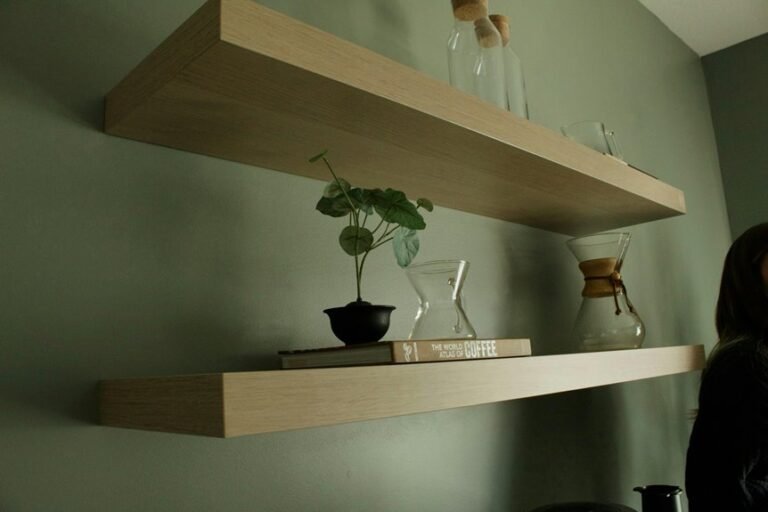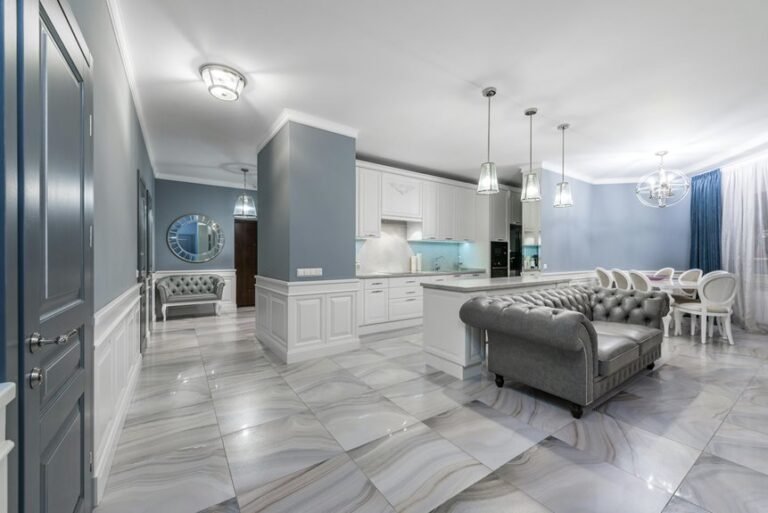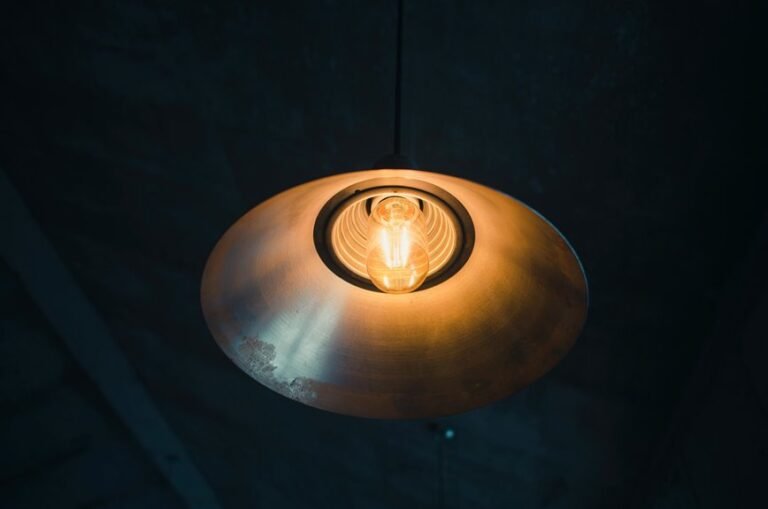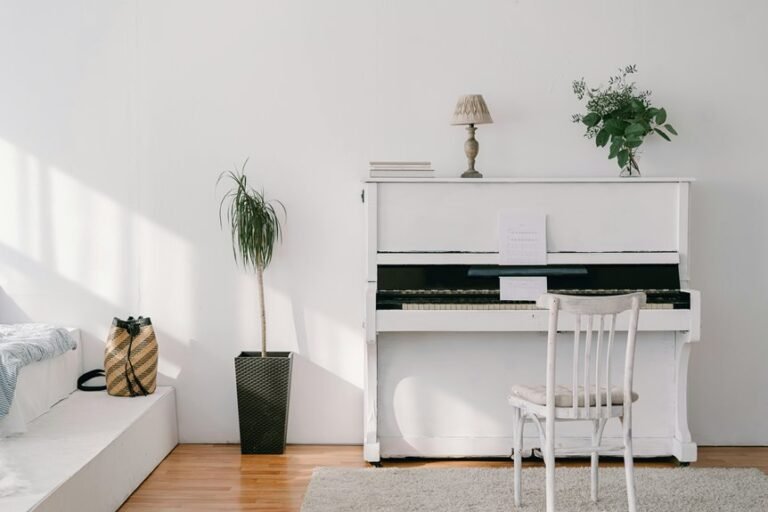
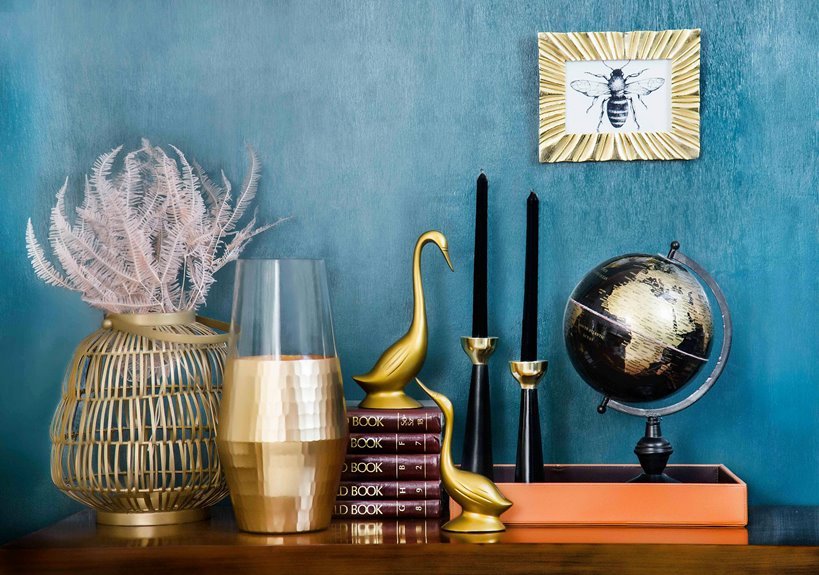

A room can feel empty with just a few big pieces, yet a single accent can make it feel finished. You use accent pieces to steer balance, shape scale, and guide the eye, but they also do more than decorate. They add texture, color, light, and rhythm, while softening hard lines and filling quiet gaps. Once you see how each piece works, you’ll start noticing why some rooms feel calm, and others feel alive.
The First Job of Accent Pieces
At its core, accent pieces do one main job: they give a room a clear point of interest, so the space feels finished instead of random.
You can use one strong lamp, a framed print, or a textured vase to make your style feel intentional and welcoming. Whenever you choose pieces that fit your life, you also build practical entryway organization, because a tray, hook, or bench can look useful and inviting at the same time.
Then seasonal accent rotation keeps the room fresh without a full makeover. You swap in warmer colors, softer fabrics, or a brighter object, and your home still feels like yours. That simple change helps you feel settled, not stuck, and it makes guests feel included too.
How Accent Pieces Create Balance
Whenever you place accent pieces with care, they help a room feel steady instead of crowded or off-balance. You don’t need matching twins everywhere; you need visual rhythm that lets the eye move with ease. If one side feels heavy, add a lighter piece across from it. When a tall lamp meets a low bowl, you create asymmetrical balance without making the space feel stiff. That mix helps you fit in your own home, not fight it.
| Left side | Right side | Result |
|---|---|---|
| Tall vase | Low tray | Calm contrast |
| Framed art | Small plant | Shared focus |
| Bold chair | Simple table | Even weight |
| Grouped books | Open space | Breathing room |
| One bright accent | Muted pieces | Clear anchor |
This balance feels welcoming, so your rooms look settled and lived-in.
Accent Pieces That Add Texture
Balance gives your room a steady feel, and texture gives it soul. You can build that feeling with accent pieces that invite touch and soften hard edges. Try a knit throw on a chair, a woven basket beside the sofa, or a ceramic vase with tactile finishes that catch light.
Next, mix stone, wood, leather, and linen so material contrast feels natural, not forced. You’ll notice each piece adds warmth without making the space busy. Even a small pillow, a rough tray, or a ribbed lamp base can make your room feel more lived in and more like you.
Whenever you choose pieces that feel good to the hand, you also create comfort for the eye, and that helps your home feel welcoming.
How Accent Pieces Lead the Eye
As soon as you place the right accent piece, it can pull the whole room into focus. You guide visual pathways so eyes travel where you want them to land, and that creates a calm focal point hierarchy. A dark vase, framed print, or glowing lamp can whisper, “come here,” without shouting.
- A bold chair near a plain wall
- A clustered tray on a coffee table
- A bright pillow on a quiet sofa
- A small sculpture beside books
Each piece helps you feel part of the room, not just inside it. Whenever you repeat a color or finish, you build trust in the scene. Then your space feels welcoming, like it already knows you. Small moves can make your home feel connected and complete, without trying too hard.
Why Scale and Proportion Matter
The right accent piece can catch the eye, but scale decides whether it feels intentional or awkward. When you choose a piece that fits the room, you guide visual weight instead of fighting it. A large mirror can steady a wide wall, while a smaller object may vanish and leave the space feeling unsure.
You also shape spatial hierarchy when you mix heights, textures, and forms with care. Try pairing one bold item with quieter pieces so your room feels collected, not crowded. Then step back and check the balance from across the room, because what feels right up close can read very differently at a distance.
When proportion works, your home feels more like your place, and that sense of fit brings real comfort.
Accent Pieces That Soften a Room
Soft textiles can quickly make your room feel warmer, and you’ll notice the change as soon as you add a throw, pillow, or curtain with a gentle touch.
Rounded edges on chairs, tables, and decor pieces help ease sharp lines, so the space feels calmer and more inviting.
As you choose gentle color palettes, you give your room a softer backdrop that lets everything feel more relaxed and lived in.
Soft Textiles
Whenever a room feels a little too hard or echoey, soft textiles can change that mood fast. You can make a space feel like yours with window treatments that drape well and plush upholstery that invites a slow sit-down.
Then you add layers that whisper comfort, not clutter.
- Linen curtains that pool softly
- A wool throw over the sofa
- Velvet pillows in deep color
- A braided rug underfoot
Each piece helps the room feel warmer and more lived in. As a result, you don’t just decorate; you create a place where people relax, stay, and feel they belong.
Even one extra layer can make your home feel less formal and more welcoming, like it’s ready for company without trying too hard.
Rounded Edges
After you’ve softened a room with fabric, rounded edges take that calm feeling a step further in removing some of the visual sharpness that can make a space feel stiff.
You can bring in a curved silhouette appeal with a round table, an arched mirror, or a lamp with a smooth base.
These shapes help your room feel friendlier, so people relax faster and stay longer.
Softened furniture edges on a sofa, chair, or ottoman also ease the look of hard lines.
As a result, your space feels more open and easy to live in.
You don’t need many pieces.
One rounded accent can guide the eye, reduce tension, and make your room feel like it welcomes you in without trying too hard.
Gentle Color Palettes
- A blush vase beside a cream lamp
- Sage pillows on a pale sofa
- Sand-colored trays on a light wood table
- Soft blue ceramics near woven baskets
These choices help you fit in with ease, because your space feels collected, not forced.
You don’t need every piece to shout. Instead, let each color whisper, and your room will feel like a place where you belong.
How Accent Pieces Shape Mood
Accent pieces shape how a room feels the moment you walk in, and color is one of the fastest ways they set that mood.
Deep hues can make you feel calm and grounded, while brighter accents can bring energy and lift.
Texture adds the next layer, since soft fabrics, warm wood, and worn finishes make your space feel cozier and more inviting.
Color And Atmosphere
Color can change a room’s mood almost instantly, and the right home accent pieces help you control that feeling with ease. With accent color psychology, you can nudge a space toward calm, energy, or comfort without repainting everything.
You’re not decorating alone; you’re building a place that feels like it fits you.
- A deep blue vase can quiet a busy corner.
- A warm gold frame can make your wall feel welcoming.
- A green plant can soften sharp lines and invite rest.
- A bright pillow can spark joy in a neutral room.
These atmospheric palette shifts work best whenever you repeat one color in small ways. Then your room feels connected, steady, and ready for real life.
Texture And Warmth
Once you’ve set the mood with color, texture steps in and makes that feeling stick. You feel it in a wool throw, a linen shade, or a wood bowl that softens the room. Material contrast keeps your space from feeling flat, because smooth, rough, and woven surfaces play off each other. Use tactile finishes on pillows, chairs, and trays so your eye and hand both get a welcome. That mix says, “You belong here,” without a word.
| Piece | Feel | Mood |
|---|---|---|
| Wool throw | Soft | Cozy |
| Linen pillow | Breezy | Easy |
| Brass lamp | Warm | Glowing |
| Wood tray | Grounded | Calm |
| Ceramic vase | Handcrafted | Welcoming |
When you layer these accents, your room feels lived in, friendly, and ready for real life.
Layering Accent Pieces Without Clutter
As you layer accent pieces with care, your room starts to feel collected instead of crowded. You build layered focal zones through grouping a lamp, bowl, and frame, then you let negative space editing keep each piece breathing. That balance helps you feel at home, not on display.
- Place one textured tray on a table
- Stack books beside a small vase
- Mix one plant with one candle
- Leave open surface between groupings
Next, repeat the same rhythm in another corner, so the eye moves easily. You don’t need many objects; you need a few that speak to each other.
As you choose pieces with shared color, finish, or shape, your space feels welcoming and calm, like it already knows you.
Statement Pieces That Add Personality
A statement piece can give your room a clear point of view, and that matters more than you might suppose. You don’t need many items to feel at home. Instead, choose one strong hero that reflects your taste, like bold focal objects with shape, history, or texture.
This could be a sculptural chair, a dramatic mirror, or conversation starting decor that makes guests lean in and smile. Then let the piece lead the room, while nearby accents stay quieter and support it.
Whenever you pick something you truly love, your space feels less staged and more like your circle. That sense of fit helps you relax, settle in, and share the room with ease.
Accent Pieces That Brighten a Room
Accent pieces can change the mood of a room faster than almost anything else, especially provided your space feels a little flat or dim. You can lift that mood with a few well-placed items that catch light and guide the eye. Whenever you choose pieces with shine, color, or soft glow, you help the room feel open and welcoming.
- A brass tray on a table
- A glass vase near a window
- A pale ceramic lamp on a shelf
- A mirror for brightening dark corners
These details work best whenever they feel friendly, not forced. Reflective accent surfaces bounce daylight around, while warm textures keep the room cozy. So, you can make your home feel brighter and more like you belong there, even on cloudy days.
Creating a Cohesive Accent-Piece Mix
To create a cohesive accent-piece mix, start with choosing one clear mood and let every item support it. You’ll feel more at home whenever each piece speaks the same visual language. Follow simple style pairing rules, then repeat colors, shapes, or finishes in small ways. Pair a brass lamp with a warm wood tray, or a ceramic vase with a soft linen throw.
These cohesive material combinations help your room feel collected, not crowded. Next, balance hard and soft textures so nothing feels stiff or lonely. Use one strong focal piece, then add smaller accents that echo it. Whenever you keep scale, color, and texture in step, your space feels welcoming, steady, and unmistakably yours.
Frequently Asked Questions
How Do I Choose Accent Pieces for a Small Entryway?
Pick one standout feature for the entryway and keep every piece compact: a narrow console, a petite mirror, and either a plant or lamp. This adds warmth and balance while keeping the space open.
Which Accent Pieces Work Best in a Dark Hallway?
Reflective surfaces, slim sconces, and a single striking artwork or mirror work well in a dark hallway; they catch and spread light like moonlight on polished stone, while warm wood, brass, and a touch of greenery soften the space and make it feel inviting.
How Many Accent Pieces Is Too Many in One Room?
Too many accent pieces usually means the room no longer has a clear visual anchor and the eye has nowhere to settle. If you cannot identify one strong focal point, pare back the extras. The space will feel calmer once each piece has room to stand out.
Can Accent Pieces Make a Room Feel Warmer?
Yes, accent pieces can make a room feel warmer. Add textured fabrics, low lighting, candles, greenery, and warm toned metals to create a space that feels inviting, comfortable, and full of character.
What Accent Piece Styles Suit Modern Homes?
Modern homes work well with clean lined ceramics, geometric wall art, sculptural lamps, and natural textures. Pair warm wood, brass, and greenery to create a space that feels polished, inviting, and lived in.