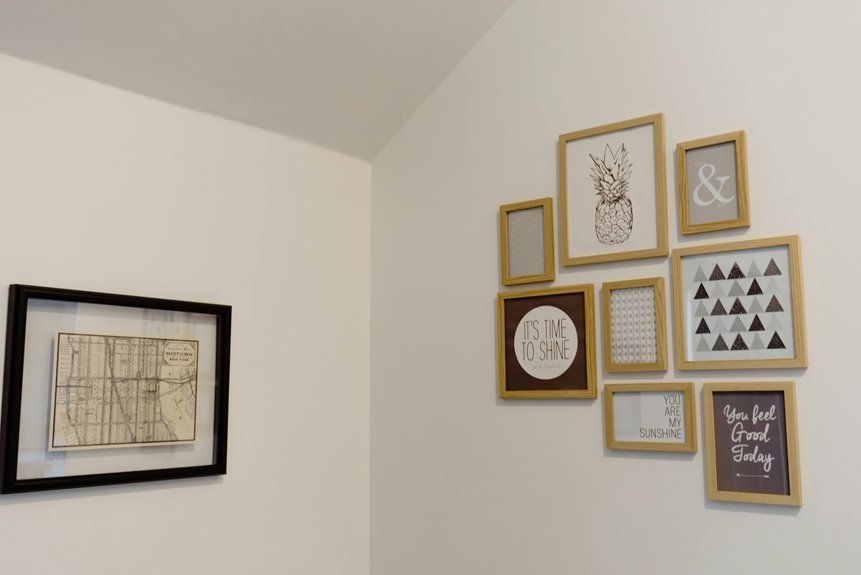

You hang one bold abstract piece above your sofa, and the whole room suddenly feels sharper and more alive. That shift happens because wall art does more than fill space, it changes mood, guides the eye, and sets the tone for how a room feels. The right style, size, and placement can make your space feel calm, warm, or full of energy, and the trick is understanding which choice works best for each room.
How Wall Art Changes Mood and Space
As soon as you choose wall art with care, it can change how a room feels almost right away. You shape mood through giving your eyes a place to rest, and that can make you feel calmer, braver, or more at home.
Soft colors and natural forms can quiet busy thoughts, while bold pieces can wake up a dull corner. You also affect spatial perception, since a large artwork can make a wall feel farther away and a small cluster can bring a space in.
Lighting effects matter too, because a frame or raised texture can catch light and add depth. Once you pick art that feels personal, you help your room feel welcoming, not staged.
Choose Wall Art by Interior Style
Whenever you choose wall art based on interior style, you make the whole room feel more intentional and easy to live in. You’re not just filling empty walls, you’re helping people feel they belong there. If your room leans calm, choose minimalist or nature inspired pieces with soft lines and muted colors. For a warmer look, abstract art can connect your furniture and keep the space feeling united.
| Interior style | Best art fit |
|---|---|
| Modern | Abstract or minimalist |
| Cozy natural | Landscape or organic shapes |
| Eclectic | Retro posters and mixed prints |
| Classic | Textured or timeless black and white |
This kind of match creates nature inspired cohesion without forcing it. When you want energy with control, retro styling balance keeps bold pieces friendly, not loud, so your space feels like home.
Use Wall Art to Set the Mood
You can change a room’s mood fast by choosing wall art colors that match how you want the space to feel. Warm tones can make you feel lively and welcome, while soft or muted shades can bring calm and ease. The size of the piece matters too, because a large artwork can make a room feel bold and energetic, while a smaller one can feel quiet and intimate.
Color And Emotion
Color can change how a room feels almost right away, and wall art is one of the easiest ways to guide that feeling. When you choose art with color psychology in mind, you help your space speak your language.
Warm reds and golds can make you feel welcomed, while soft blues and greens can steady a busy mind. You can also lean on emotional palettes that match your daily rhythm, like calm tones for rest or brighter hues for energy.
Provided you want to feel at home, pick colors that echo what you love, not just what looks trendy. That way, your walls don’t just decorate the room, they help you feel seen, settled, and part of the space.
Scale And Atmosphere
Size changes the mood of a room almost as much as color does, and that makes scale a powerful tool in wall art. When you choose a large piece, you can make a small room feel open and welcoming, like it belongs to you. Smaller art can calm busy walls and help a wide space feel closer and cozier. You can also use scale illusions to guide the eye, making ceilings seem taller or corners less sharp.
Then, by mixing art sizes, textures, and spacing, you create atmosphere layering that feels natural, not forced. This helps you build a room that invites comfort, dignity, and ease. If you want a space that feels like home, let the art speak softly, but let its size speak clearly.
Match Wall Art Size to Your Wall
Even the most beautiful art can feel off whenever it’s the wrong scale for the wall, so start with matching the piece to the space it needs to fill.
You want the art to fit your wall proportions, not fight them. A large wall usually needs one strong piece or a grouped set, while a smaller wall feels calmer with a compact work.
Leave enough negative space so the art can breathe and your room still feels open, not crowded. Measure initial, then envision the frame within the furniture below it, like a sofa or bed.
Aim for balance, because that helps you feel like the room was made for you. As soon as the size feels right, the whole space comes together and welcomes you.
When to Use Abstract Wall Art
Abstract wall art works best when you desire your room to feel modern, open, and a little unexpected.
You can use it whenever you need a strong focal point or a secondary color palette that ties your space together.
It also pairs well with lounges, offices, and bedrooms where you want style without a literal scene.
Defining Abstract Use
Whenever you want art that does more than fill a wall, abstract wall art can be the right choice because it brings mood, movement, and meaning without showing a literal scene.
You can use an abstract composition whenever you want your space to feel open, thoughtful, and personal.
Because nonliteral expression leaves room for your own reading, it helps you feel seen instead of boxed in.
That matters whenever you want your home to reflect your story, not just a trend.
You could choose it to soften a plain room, add energy to a quiet corner, or give your style a clearer voice.
With the right piece, you build connection, create flow, and make the room feel like it finally fits you.
Best Room Pairings
Once you know abstract art can shape a room’s mood, the next step is picking the spaces where it works best.
You’ll feel it most in rooms where you want emotion and connection, like a living room, bedroom, or entryway. In a bedroom, soft abstract forms support bedroom serenity without making the space feel stiff. In a kitchen, brighter pieces can add kitchen freshness and keep the room lively. You can also use abstract art in a home office whenever you want focus with a bit of spark.
Choose it whenever your walls need one clear voice, not a busy story. Whenever you love a space that feels current and welcoming, abstract art helps you belong there.
When to Use Photos, Prints, and Line Art
Photos, prints, and line art each work best in different moments, and choosing the right one can make a room feel more polished and personal. Use photos whenever you want warmth and recognition; family faces, travel shots, and storytelling through portraits help you feel seen in your own space.
Choose prints whenever you want color, pattern, or a steadier mood. They can echo fabrics, rugs, and paint without feeling too busy.
Reach for line art whenever you need calm structure. Its simple strokes suit bedrooms, halls, and small corners, and technical diagrams for rooms can also feel smart and tidy.
Whenever you mix them, keep one clear visual style so your walls feel like they belong together, not like strangers at a party.
Create a Wall Art Focal Point
A mix of photos, prints, and line art can make a room feel personal, but a strong wall art focal point gives that collection a clear leader. You help the eye settle as you choose one statement piece and let it act as the visual anchor. Place it where people look initially, then build around it with quieter pieces.
- Pick one larger artwork.
- Keep nearby frames smaller.
- Repeat one color or shape.
- Leave breathing space around it.
This simple balance makes your wall feel welcoming, not crowded. You don’t need a huge budget or a perfect house. You just need one bold choice that says, “You belong here.” As the main piece feels right, the rest of your art can support it with ease.
Match Wall Art to Each Room’s Function
When you match wall art to each room’s function, the space starts working with you instead of just sitting there looking nice. In kitchen areas, choose NatureArt with muted tones to add calm and keep the room feeling fresh.
Then, in bedrooms and lounges, lean on RetroArt or MinimalistArt so the mood stays restful, warm, and familiar. For offices and dining rooms, TexturedArt can sharpen focus and add depth without crowding the walls.
Next, use AbstractArt in shared spaces whenever you want room function zoning to feel clear but still stylish. With activity based artwork selection, you support how people live there, not just how the room looks. That’s how you make guests and family feel they belong, right away.
Frequently Asked Questions
How Do I Mix Different Wall Art Styles Without Visual Conflict?
Mix styles cleanly by tying them together with one common thread, such as color, frame finish, or subject matter. Give one piece the lead so the eye has a clear anchor, then let the others repeat its tones, shapes, or motif.
Which Wall Art Materials Work Best in Humid Rooms?
In humid rooms, sealed metal, acrylic, and treated wood prints hold up well, since humidity resistant frames and moisture safe finishes help prevent warping. In a bathroom, a coastal print can still feel calm and welcoming.
How Should I Care for Textured or Layered Wall Art?
Dust textured art gently with a soft brush or microfiber cloth. Keep it dry, shield it from direct sunlight and heat, and use sturdy hanging methods. If the piece has layers, inspect them often for lifting or damage.
Can Wall Art Improve Acoustics in a Room?
Yes. Artwork with texture or layered materials can help absorb sound and reduce echo. Instead of leaving hard walls untreated, combine decorative pieces with acoustic panels to make the room quieter and more comfortable.
What Lighting Best Highlights Wall Art Textures and Colors?
Gallery lighting with focused accent beams brings out the texture and color in your wall art. It adds depth, shimmer, and warmth, helping each piece feel vivid, expressive, and naturally part of the room.